


How Does Flooding Affect Property Values in Texas?
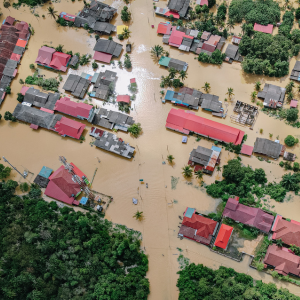
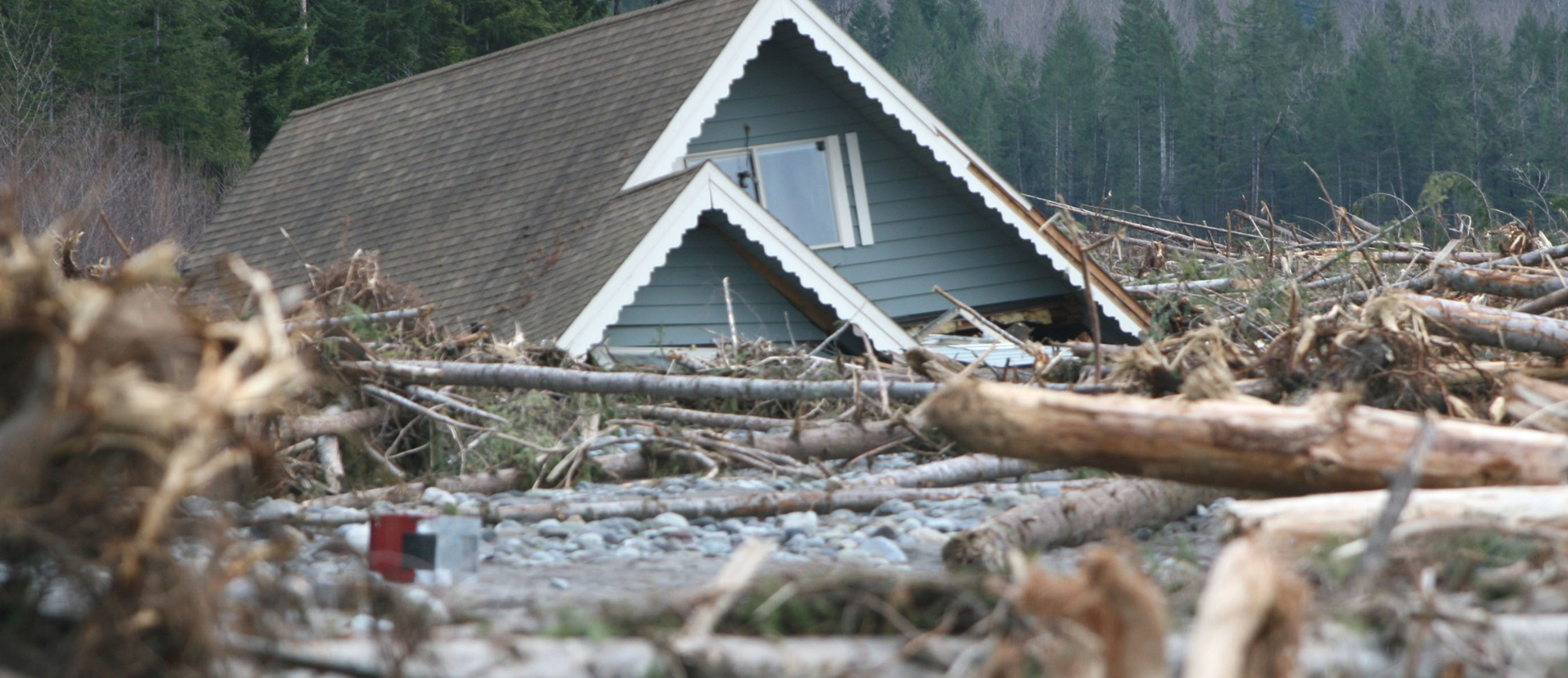
Flooding is a major concern for both homeowners and real estate investors in Texas. It impacts both the physical condition of properties and their market value. The decline in property values because of flood damage is especially concerning in areas prone to flooding. After a flood, property appraisals often show significant drops in home values, leading to long-term financial challenges for owners. Understanding the effect of flooding on property values helps people navigate the complex Texas real estate market.
What Factors Contribute to Devaluation Due to Flooding?
There are a number of reasons why property values go down after flooding:
Flood Damage: Water can make buildings weaker, which costs a lot to fix.
Water Damage: Constant moisture can lead to mold and structural issues, which can lower the value of your property.
Changes to Property Appraisal: After a flood, appraisers often lower the value of homes to take into account future risks.
Flood Risks in the Texas Real Estate Market: Areas that have flooded before are seen as risky, which can make buyers less likely to buy and lower property values.
Is There a Difference in Impact Between Urban and Rural Areas?
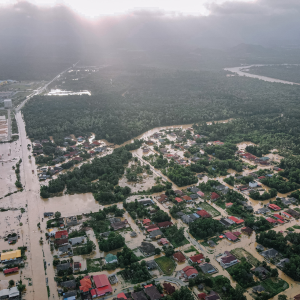
The effects of flooding on property values in Texas are different in cities and towns.
Urban Areas: Cities usually have better systems for dealing with floods than rural areas. Floods, on the other hand, can cause a lot of damage because there are so many buildings. As buyers become wary of the area’s history of flooding, property values may drop quickly.
Rural Areas: These places may not get hurt as quickly, but it may take longer to get back to normal. Limited resources and slow response times can make property values go down even more after a flood.
How Do Homebuyers Perceive Flooded Properties?
How homebuyers feel about flooded properties has a big effect on how much they can sell them for in Texas:
Flood Risk Assessment: Buyers are more careful and know more about the risks of flooding. They often do detailed flood risk assessments before they buy.
Buyer Behavior: Many people don’t want to buy homes that have been flooded in the past because they are worried about future floods and the cost of fixing them.
When you sell a home, it may not be worth as much as a similar home that hasn’t been flooded because buyers see flooded homes as risky investments.
People who buy and sell real estate in Texas should be aware of these issues. Being informed helps people who own property all over the state make smart decisions about how flooding affects property values.
Strategies to Mitigate Flood Damage for Texas Homes
What Preventive Measures Can Homeowners Take?
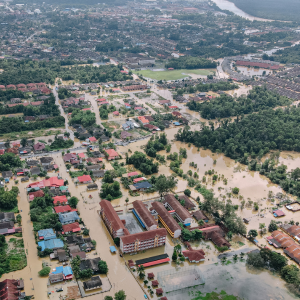
Texas homeowners deal with frequent natural disasters, especially flooding. There are several flood protection measures that can help reduce the risk of damage:
Elevate Your Home: Raising your home above the flood level keeps it safer from water damage.
Install Flood Vents: These allow floodwaters to pass through areas like basements, reducing structural harm.
Seal Foundation Cracks: Use waterproof sealants on walls and foundations to block water entry.
Create Barriers: When flooding is likely, use sandbags or barriers around your home’s openings.
These mitigation strategies reduce flood risks and comply with Texas floodplain management rules.
How Effective is Flood Insurance in Protecting Investment?
Flood insurance is important for keeping your money safe. It is a good idea even in places where flooding isn’t likely to happen. Keep these things in mind:
Details of Coverage: Make sure you know what your policy covers. Many of them don’t cover things that are outside or in the basement.
Financial Protection: It helps keep the value of a home by paying for repairs and stopping mortgage problems with homes that have been damaged by floods.
FEMA Help: Use FEMA’s tools to find out about insurance plans that are only available for homes in Texas.
It’s very important to choose a plan that protects your long-term investment the best.
Can Renovations Increase a Home’s Resale Value After Flooding?
Renovations can boost a home’s resale value after flooding. In Texas, where floods are common, consider these upgrades:
Repair Structural Damage: Make sure all repairs meet local building codes to avoid problems with insurance claims.
Modernize Interiors: Upgrade kitchens and bathrooms with modern features to increase appeal.
Incorporate Flood-Resilient Design: Use materials like tile or concrete, which handle water better than carpet.
These actions improve property value and assure buyers of the home’s future flood resilience.
Economic Implications of Flooding on Real Estate Markets
How Does Flood History Influence Market Prices?
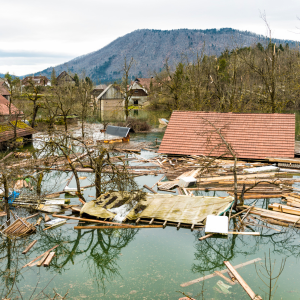
Flood history significantly affects market prices and property value, especially in the Texas real estate market. Properties in areas with a history of flooding often sell for lower prices. This is mainly due to the perceived risk of future floods and the potential repair costs.
The correlation between flood rate maps and Texas property values is crucial for both buyers and sellers. Properties in high-risk flood zones usually have lower values than those in non-flood-prone areas. Neighborhood flood history greatly impacts Texas property prices, as buyers consider the home and the area’s safety and investment stability.
Are There Trends in Buying Homes in Flood-Prone Areas?
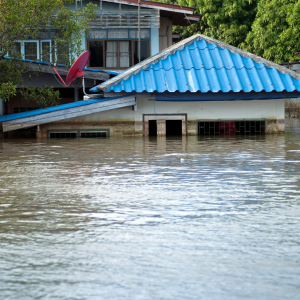
Despite the risks, there are trends in buying homes in flood-prone areas. Some investors see these properties as unique opportunities. Using strategies and real estate professional tips for assessing flood risk in Texas, buyers can find valuable investments in these challenging areas.
If you’re willing to take on the risks that come with them, Texas flood zones might be good places to invest in real estate. Some investors are interested in properties that were damaged by floods because they can buy them for less and then see their value go up after they add protective measures. Both investors and homeowners in areas that are likely to flood can benefit from knowing about these trends.
How Do Floods Affect Mortgage and Loan Approvals?
Floods create significant challenges for mortgage and loan approvals. Lenders are cautious about issuing loans for flood-damaged homes because of the increased risk of economic losses from flooding. Mortgages might include extra requirements, like mandatory flood insurance coverage.
Home insurance claims for flood damage in Texas complicate the lending process. The possibility of repeated claims can deter lenders, making it harder for homeowners to get approval. Understanding these challenges helps potential buyers and current homeowners better handle the financial landscape affected by flood risks.
Legal and Financial Considerations When Buying in a Flood Zone
What are the Disclosure Requirements for Flood-Prone Properties?
When buying a property that could flood, it’s important to know the rules about disclosure. According to the law, sellers must tell buyers about any risks of flooding. This includes information about past floods, how living in a flood zone can lower the value of a home, and rules about what to do if you live in a flood zone, like those in Texas. These disclosures help buyers make smart choices.
In Texas, sellers must let buyers know about any past flood damage or claims they made on flood insurance. This honesty helps buyers understand the real value of the property and the risks that come with it.
How Does FEMA Classification Impact Insurance Rates?
FEMA classification greatly affects flood insurance rates. The Federal Emergency Management Agency (FEMA) creates flood rate maps that show flood risk levels. These maps impact insurance rates through the National Flood Insurance Program (NFIP). Homes in high-risk zones usually face higher insurance premiums due to greater flood risks.
In Texas, FEMA’s flood maps clearly link property values. Properties in high-risk zones might lose value, but good risk management can lessen this impact. Knowing FEMA’s classifications helps homeowners prepare better and possibly lower insurance costs by taking preventive measures.
Are There Any Financial Assistance Programs for Flood-Affected Buyers?
Buyers looking at homes in flood-prone areas often face financial challenges. Thankfully, several financial assistance programs exist to help flood-affected buyers. In Texas, state-led flood recovery programs offer aid, helping with homeowner insurance and mortgage issues related to flood-damaged homes.
Insurance companies also provide support and financial aid. Some programs offer reduced premiums or special insurance packages for homes in flood zones. Prospective buyers should research these options to get the best possible financial support when purchasing in flood-prone areas.
At Investor Home Buyers, we stress the need for thorough research and planning when investing in properties with flood risks. Understanding these legal and financial factors helps ensure you make informed, strategic decisions that align with your investment goals.
Future Outlook: Flooding and Texas Housing Market

What Role Does Climate Change Play in Future Flood Risks?
Climate change is raising the risk of future floods, especially in Texas. As global temperatures increase, severe weather events become more common and intense, leading to frequent and destructive floods. This situation has major effects on the Texas real estate market. Conducting a flood risk assessment is essential for understanding how climate change impacts housing. It allows stakeholders to prepare for increased flooding. Real estate developers and investors must consider these risks when assessing property values and potential investments. The increasingly severe weather highlights the importance of sustainable development practices to address climate-related challenges effectively.
How Are Communities Adapting to Increasing Flood Threats?
Floods are happening more often, so communities in Texas are working on projects to make their areas less likely to flood. These efforts include preparing people for floods, fixing roads and bridges, and making flood management systems better. Communities are working on better emergency plans and warning systems to make flooding less likely. These steps help keep people and things safe, which is good for the community’s long-term safety. Individuals, specialists, and municipal authorities must collaborate to formulate effective flood management strategies. These projects also teach us how to deal with floods that might happen in other places.
How Will Flooding Shape Texas Real Estate in the Coming Decades?
Flooding will have a big impact on the Texas real estate market in the future. Property values could change as more areas become vulnerable to flooding. This could change housing trends and the way the market works. More and more, buyers and investors think about how floods will affect the area in the long term when they make decisions. This affects demand in areas that are less likely to be flooded. This trend shows how important it is to find and promote safe investment areas in the Texas real estate market. Property values may also change because proactive flood management and strong construction may become the norm. As climate change continues, the link between flooding and real estate will change. This means that the industry will need to keep adapting and coming up with new ideas.
This information applies to Texas and its cities, including Dallas, Austin, El Paso, and Fort Worth. For more details, please contact us at (214) 253-4544 or visit our website at Investor Home Buyers.
Resources To Help You Sell A House in Texas