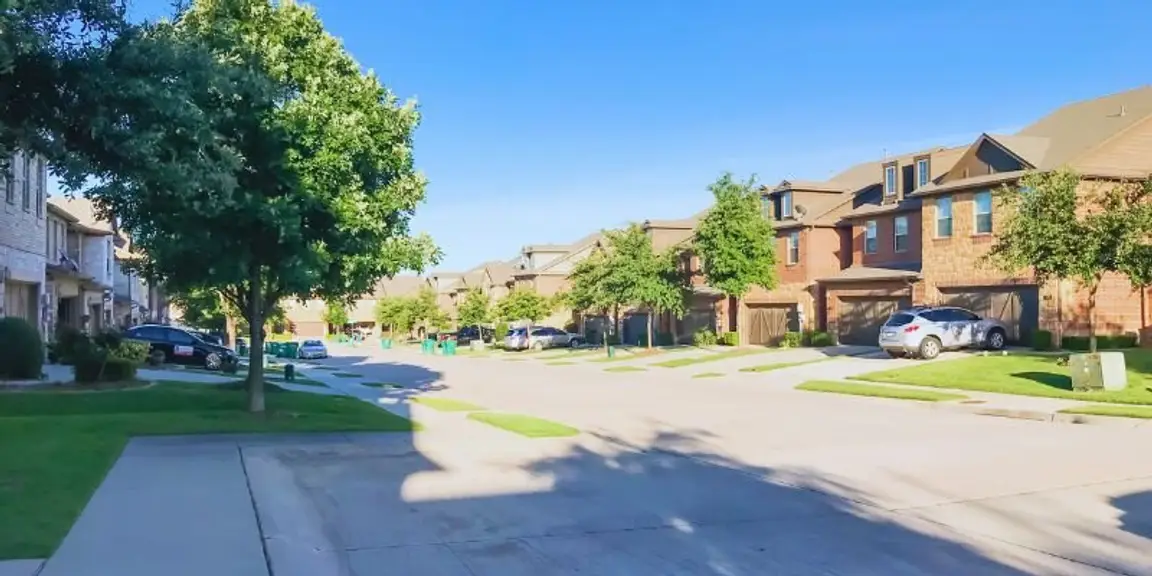

Ask ten people in Dallas where the best neighborhoods are and you’ll get ten different answers, plus a story about traffic on Central Expressway. That’s because “best” depends on what you need. A young couple wants walkable streets and restaurants. Families usually want a quiet block and a good school. Retirees tend to want a smaller house near the doctor. I buy houses across Dallas, from Lake Highlands to Pleasant Grove, and I’ve seen how much the block a home sits on shapes its value and how fast it sells. Below I’ll go through how to judge Dallas neighborhoods for yourself, where prices stand in 2026, which neighborhoods people love and why, and which neighborhoods come with tougher trade-offs.
What Makes Dallas Neighborhoods Strong or Weak
Every good neighborhood I know shares a few traits. People feel safe walking at night. Houses get kept up, and when one sells, the next owner fixes it rather than letting it slide. There’s somewhere to buy groceries, a park within reach, and a commute that doesn’t eat the whole morning.
Weaker neighborhoods tend to lack two or three of those at once. Maybe the housing is older and owners can’t afford repairs. Perhaps the shopping left years ago and never came back. Crime, vacant lots and long drives to work all pile on.
Schools matter too, even to people without kids. Dallas buyers pay attention to attendance zones, and homes in sought-after zones tend to hold their value through slower markets. Check the current zone for any address you’re considering, because boundaries change.
Access counts as well. Neighborhoods near DART rail stations, major employers or the big medical centers draw renters and buyers who want a shorter trip.
Upkeep is the easiest trait to judge from a car window. Mowed yards, painted trim and newer roofs mean owners are putting money back into their houses. Boarded windows, piles of debris and a row of rental signs on one street can mean the opposite, though one rough house doesn’t define a block.
None of these traits are permanent. Neighborhoods in Dallas have flipped both ways over the last few decades. A few neighborhoods that were written off now have waiting lists of buyers, and some once-popular pockets have lost their shine.
That’s why I’d rather teach you how to read neighborhoods than hand you a ranking.
How to Check Crime in Dallas Neighborhoods

Crime lists on random websites are a poor guide. Many use old data, mix up neighborhood boundaries or lump a whole ZIP code together. The better source is the city itself.
In 2022 the City of Dallas announced a Crime Analytics Dashboard built with the Dallas Police Department. According to the city’s announcement, you can look up crime by council district, ZIP code and police areas like beats and reporting areas. It covers total crimes, violent crime and several other categories, with data from the last two years that refreshes daily.
Use it the way a careful buyer would. Pull up the beat or reporting area around the specific house, not just the larger neighborhood name. Then compare it with the neighborhoods around it. Two blocks can feel very different in Dallas, and the dashboard helps you see that.
Keep the categories in mind as you read. A beat with a busy shopping center will log more theft than a beat full of houses, even if the homes around it are quiet. Property crime and violent crime tell different stories, so weigh both before you judge any of the neighborhoods on your list.
I’d also drive the street at night and on a weekend morning. Data tells you what happened. A Saturday drive tells you how a place feels.
Talk to a neighbor if you get the chance.
Last year I bought a house in Lake Highlands from a family moving closer to grandkids. They’d lived there twenty years, and the husband walked me through his tomato beds before he showed me the kitchen. Their street had seen almost no change in all that time, and buyers lined up for houses like theirs.
Dallas Home Prices Across Neighborhoods in 2026
Sale data shows how buyers rank an area with their own money. For the Dallas area as a whole, sales data for January through June 2026 showed a median sale price of $406,529, down 2.2% from a year earlier. Homes took a median of 65.6 days to sell, and months of supply sat at 4.9.
Months of supply is the number I pay the most attention to.
It measures how long the current listings would last if no new homes came on the market. Many agents treat about six months as balanced, so 4.9 leans slightly toward sellers, but not by much. That’s a market where buyers have choices. In stronger neighborhoods, good houses still move. Homes in weaker neighborhoods can sit while buyers shop elsewhere.
Neighborhood figures show how wide the spread is. Figures from May 2026 put the median sale price in Lake Highlands at $649,781, up 13.3% from the year before. The same source listed Cedar Crest at $254,914, up 12.3%.
Which number matters more? Lake Highlands costs well over twice as much, but both neighborhoods gained ground. Price alone doesn’t tell you whether neighborhoods are improving, so look at the direction as well as the level.
One caution I give every homeowner: neighborhood medians bounce around because so few homes sell in a small area each month. Treat them as a rough guide, not a price tag for your house.
Lakewood and Lake Highlands Near White Rock Lake
East Dallas has some of the most loved neighborhoods in the city, and the water is a big reason. Lakewood sits close to White Rock Lake with older homes, mature trees and a small shopping district that locals treat like a village center. Many houses date back decades, and owners tend to stay a long time.
Lake Highlands sits to the north and east of the lake. It has a more suburban feel, with larger lots in many sections and a strong community identity. The price gain mentioned above shows how much demand there is.
Both neighborhoods share the lake’s trails, which draw runners and cyclists from all over Dallas. An amenity like that is hard to copy, and it keeps buyers coming back even in a slower market.
The trade-off is cost. Older homes in these Dallas neighborhoods often need updates, and buyers pay for location first and finishes second. Sellers with dated houses here still do well, but repairs and updates affect how fast a listing moves.
Uptown, Lower Greenville and the M Streets
Some Dallas neighborhoods sell a lifestyle more than a yard. Uptown is the clearest example. It’s dense, walkable and close to downtown, with apartments and townhomes more common than single-family houses. The Katy Trail runs through it, and residents can walk to restaurants most nights.
Lower Greenville trades some of that polish for character. You’ll find older homes, a well-known strip of bars and restaurants, and residents who like being close to the action.
Blocks nearest the avenue get loud on weekends.
The M Streets, also called Greenland Hills, sit nearby with rows of 1920s and 1930s cottages. Streets are tidy and tree-lined, and the houses have a look buyers recognize instantly. Demand for those cottages has stayed steady for years.
What these neighborhoods share is location. Buyers pay for access to central Dallas, not for square footage. A small, older home in one of these neighborhoods can be worth more than a larger house farther out.
Parking is the hidden cost in these neighborhoods. Narrow lots, older garages and busy streets frustrate some buyers, and many townhome owners pay HOA dues on top of the mortgage. Sellers who can point to off-street parking have an edge.
Preston Hollow and Bluffview in North Dallas
These are some of the most expensive neighborhoods in the city. Preston Hollow is known for large lots, big trees and privacy. Many homes sit behind gates or long driveways, and new construction on older lots is common.
Bluffview sits to the west with rolling terrain that’s rare in Dallas. Homes there feel tucked away, though they’re a short drive from Love Field and the Dallas North Tollway.
People sometimes lump Highland Park and University Park in with these neighborhoods, but they aren’t part of the City of Dallas. The Park Cities are two separate municipalities surrounded by Dallas, with their own government and mostly their own school district.
Neighborhoods at this level play by different rules. Buyers are fewer, homes are custom and pricing is harder to pin down. Sellers here usually lean on a specialist agent rather than a quick sale, and that’s the right call for most of them.
Land value drives a lot of sales in these neighborhoods. On some lots, the buyer wants the dirt and plans to tear the house down. An owner with an older ranch house on a big lot may find the land is worth more than the house sitting on it.
Bishop Arts, Kessler Park and North Oak Cliff

Across the Trinity River from downtown, this side of town is huge, and lumping it together misses the story. North Oak Cliff includes some of the most interesting neighborhoods in Dallas. The Bishop Arts District anchors it with independent shops, coffee and restaurants in a few walkable blocks.
Kessler Park sits along the hills nearby, with winding streets, older homes and views toward downtown. Winnetka Heights and other historic pockets add craftsman bungalows and prairie-style houses that buyers seek out.
These neighborhoods have changed a lot over the last fifteen years. Renovated homes sit next to houses that haven’t been touched in decades. That mix creates opportunity for buyers and sometimes frustration for longtime owners watching tax bills climb.
Rising values reach your tax bill through the Dallas Central Appraisal District. Texas caps how much a homestead’s appraised value can rise for taxes at 10% a year, which softens the blow for owners who live in the house. A rental doesn’t get that homestead cap, and a new buyer starts from the full market value.
Southern parts of Oak Cliff look different, and that’s where people get confused. The name covers neighborhoods with very different prices, housing and investment. Judge the individual neighborhoods inside it, not just the name Oak Cliff.
Dallas Neighborhoods With Tougher Trade-Offs
I’d rather say this plainly than dress it up. Some Dallas neighborhoods have more challenges than others, and pretending otherwise doesn’t help anyone deciding where to live or whether to sell.
Neighborhoods in southern and southeastern Dallas, including parts of Pleasant Grove, South Dallas and Cedar Crest, carry more of those challenges. Housing stock is older, incomes are lower on average and many blocks have seen less private investment than the north side. Crime numbers vary a lot from beat to beat here, which is exactly why checking the dashboard by beat matters.
That isn’t the whole picture. These neighborhoods have longtime homeowners, churches, parks and families who’ve held them together for generations. Prices are much lower, which draws first-time buyers and investors who watch these neighborhoods closely. The Cedar Crest gain in the figures above shows that buyers are paying attention.
Code issues show up more in older housing. When a vacant house gets overgrown or left open, the city can mow it or board it up and bill the owner, and unpaid bills can become liens. If you own an empty house in one of these neighborhoods, keeping it secured and mowed protects both the block and your sale.
For homeowners, the trade-off shows up when you sell. Homes in these Dallas neighborhoods can take longer to sell with a traditional listing, and buyers using financing may struggle if the house needs major repairs. None of that makes your house hard to sell. It means the right buyer and the right method matter more.
Lenders care about condition.
FHA and VA loans in particular come with property standards, and an appraiser can flag a bad roof, broken windows or unsafe wiring before the loan closes. Each of those can stall a sale for weeks.
What Your Neighborhood Means When You Sell a Dallas House
Location sets the ceiling and the floor on your price. A great kitchen can’t make a house in a struggling area sell for what it would bring in Lakewood. Even a tired house in a hot neighborhood draws offers because buyers want the address.
It also sets your likely buyer. In the most sought-after Dallas neighborhoods, families and move-up buyers compete. Where prices are lower, first-time buyers, landlords and cash buyers make up more of the pool.
Know which neighborhoods your house competes with. Pull recent sales within a few blocks, not across the ZIP code. Your agent or a buyer should be able to show you those comparable sales.
Appraisals follow the same logic. A lender’s appraiser compares your house with nearby sales, so a record price two neighborhoods over won’t help you much. If the closest sales are low, a buyer’s loan may come in short even when the offer was strong.
Then match the method to the market. In a strong neighborhood, a well-prepared listing usually nets the most. On a tougher block, the costs of repairs, months of carrying the house and a buyer’s lender falling through can add up fast.
Your Next Move Within Dallas Neighborhoods
Plenty of homeowners I meet aren’t leaving the city. They’re moving between neighborhoods. Maybe the kids are grown and the big house in Lake Highlands is too much. Or a job moved and the commute from Pleasant Grove got brutal.
Start with what you want your next neighborhood to give you, then work backward. Walkability, a smaller yard, a single-story layout or a shorter drive all point to different parts of Dallas. Make a short list of two or three neighborhoods and visit each one at rush hour.
Then look honestly at your current house. If it needs work and you’re moving within Dallas anyway, putting money into repairs for the next owner rarely makes sense. A house in great shape in a strong neighborhood may be an obvious listing.
Timing matters when you’re buying and selling at once. Selling first gives you cash and certainty. Buying first gives you a place to land. Many Dallas homeowners find selling first, with a closing date that matches the next move, takes the most pressure off.
Do you need to sell first to qualify for the next loan? A lender can answer that in one call, and the answer shapes everything else.
Owners 65 and older have one more thing to check. Texas gives them a school tax ceiling, and the appraisal district explains that a share of that ceiling can transfer to a new Texas home. That can make a move between Dallas neighborhoods cheaper than it first looks.
Cash Offers in Tougher Dallas Neighborhoods

If your house sits on a block with more challenges, you still have good options. A traditional listing can work if the house is in decent shape and priced right. If it needs a roof, foundation work or a full update, a cash sale may net more once you subtract those costs.
At Investor Home Buyers, we buy houses in every part of Dallas, including the neighborhoods some buyers skip. We buy as-is, so there’s no repair list or showings, and we pick a closing date that works for you. You can read how we buy houses before you ever call.
A cash offer comes in below a top-dollar listing on a renovated house. The comparison that matters is what you net after repairs, commissions and months of carrying costs.
Most cash offers start from what similar fixed-up homes sell for nearby, minus repairs and the buyer’s costs. Ask any buyer, us included, to show you that math.
This past spring I bought a frame house in Pleasant Grove from a woman moving in with her daughter across town. It was a Friday, and the back porch still had the swing her late husband built. The house needed a new roof she couldn’t afford, so we closed as-is and she took the swing with her.
Dallas Neighborhoods Questions Homeowners Ask
What are the safest neighborhoods in Dallas?
Safety varies block by block, so use the city’s crime dashboard to compare beats and reporting areas around a specific address. Many people point to East Dallas and North Dallas neighborhoods, but checking the data yourself is the only reliable answer.
Are Highland Park and University Park part of Dallas?
No. They’re separate municipalities known together as the Park Cities, surrounded by the City of Dallas. Each has its own city government, and both are mostly served by their own school district.
Do home prices in cheaper Dallas neighborhoods go up?
They can. Some lower-priced neighborhoods have gained ground recently, as the figures above show. Prices move with investment, demand and the overall market, so look at the trend in your specific area.
Is it harder to sell a house in a rough neighborhood?
It can take longer with a traditional listing, especially if the house needs major repairs. Pricing it right and choosing the right buyer, including a cash buyer, makes a big difference.
How do I find out what homes in my neighborhood sold for?
Ask a local agent or a buyer for recent comparable sales within a few blocks of your house. Use sales from the last several months rather than older ones, since the market has shifted.
Does my neighborhood affect my property taxes?
Yes. The appraisal district values your home partly from recent sales around it, so rising prices in nearby neighborhoods can raise your appraisal. A homestead exemption and the yearly cap on homestead increases help limit the jump.
Thinking about selling a house in any Dallas neighborhood? We’re glad to help you weigh your options. Investor Home Buyers can give you a no-obligation cash offer and walk you through how it compares with a listing. Call us at (214) 253-4544 whenever you’re ready, or send us a message.