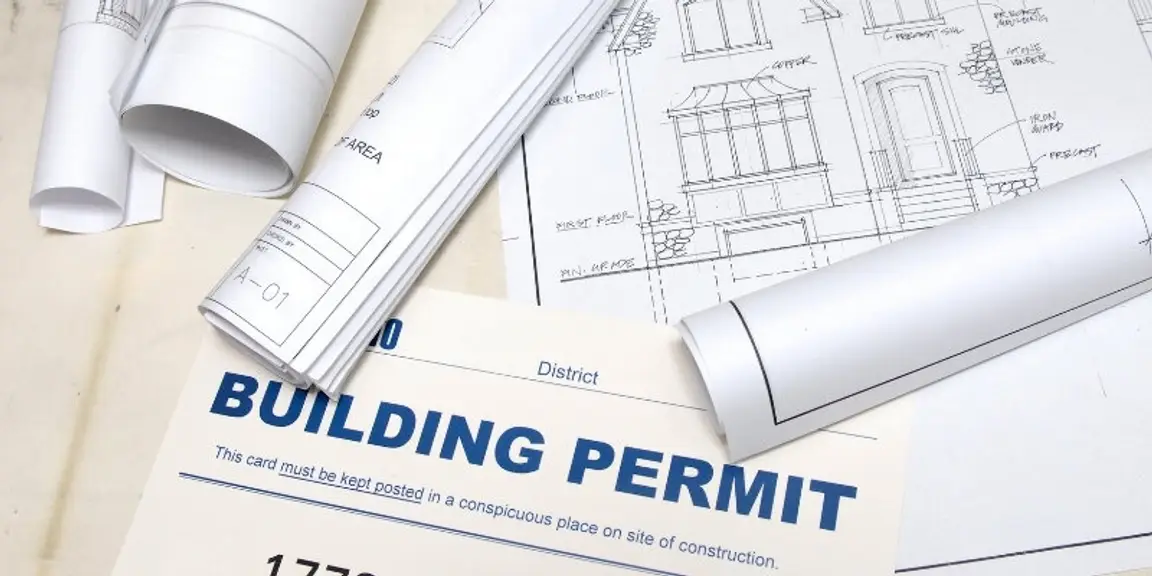

No law anywhere in the country stops you from selling a house without permits. What there is: a disclosure duty in most states, a lender who can walk, an insurer who can balk, and a code enforcement office with real authority.
None of that means your sale is dead. I’ve bought houses with enclosed carports, bedrooms that used to be garages, and electrical runs no inspector laid eyes on. They close; the question is what you give up to get there, and whether you’re giving up more than the situation requires.
What Is Unpermitted Work on a House?
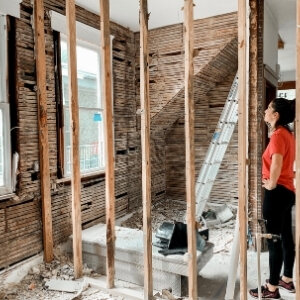
Call a room a “bonus room” in your listing when the county has it recorded as a garage, and you’ve handed a buyer’s attorney an easy claim. Square footage that exists in real life but not in the public record is the most common permit problem I run into.
Permits are local, but the underlying rule is nearly universal. Most jurisdictions adopt some edition of the International Residential Code, which states in section R105.1 that the owner must obtain a permit before constructing, enlarging, altering, repairing, moving, or demolishing a structure. Your building department adds its own amendments and exemptions.
Cosmetic work usually doesn’t need one: paint, flooring, new cabinets on the same footprint; nobody’s pulling a permit for that.
Work that trips up sales looks different: room additions, garage conversions, porches turned into conditioned living space, re-roofs, panel upgrades.
A second category gets lumped in with unpermitted work, and it isn’t the same thing. An open permit means a permit was pulled, the work got done, and nobody called for the final inspection. Sometimes, a contractor who folded a decade ago left that record on your property. Closing one out beats legalizing work that was never permitted, because the paperwork trail already exists.
Noncompliance isn’t a moral failing. Half the time, the homeowner hired a licensed contractor who promised to pull the permit and didn’t.
How Do You Know If Your Home Has Unpermitted Work?
Most of what I’d want to know about your house, your county already publishes online, free. Start with the assessor’s record card. It lists heated square footage, bedroom and bath count, and year built. Walk the house with that printout. A gap of 200 square feet is your answer.
Then search your building department’s permit database by address. You’re looking for permits that exist, and permits that should exist but don’t.
You can often spot the work by walking around the house. A step down into an addition; roof lines that don’t quite meet; a closet sitting exactly where a garage door used to roll up.
Old paperwork matters more than people expect. Your own inspection report from when you bought may have flagged it. If a contractor ever told you a prior owner’s addition wasn’t permitted, you know.
That last point carries legal weight almost everywhere. Disclosure duties generally turn on what you actually know, not what you should have figured out. A seller who never knew about work done two owners back usually has no duty to disclose it.
Deliberate ignorance is a bad strategy and a worse look in a deposition. Find out, write it down, then decide.
How Does Unpermitted Work Affect a Home Sale?
The appraisal is where this usually surfaces first. Fannie Mae’s rule is narrower than most sellers assume. If the appraiser spots an addition without the required permit, they must comment on the quality of the work and its effect on market value: no automatic exclusion, no fixed penalty.
The damage shows up in how the space gets measured. Appraisers follow the ANSI standard, and finished space that falls outside it gets reported separately from your main square footage. Your 1,900-square-foot house is described as 1,600 plus a room. The lender lends against the smaller amount, and your buyer covers the cash gap or walks away.
Zoning is the harder stop. Where the work amounts to a use zoning doesn’t allow, the loan can fall outside what Fannie Mae will buy. An addition over a setback line is a different problem from one that never got inspected.
Insurance is the second wall. Carriers underwriting older homes often want the roof, electrical, plumbing, and HVAC inspected first. Unpermitted electrical work or an undocumented addition can result in a declination, a surcharge, or a later disputed claim for that part of the house.
Timing makes all of it worse. The National Association of Realtors put the median existing-home price at $429,100 in August 2026, up 1.6% from a year earlier, with inventory at a 4.9-month supply, the highest in more than a decade. Realtor.com put homes at a median of 61 days on market in September 2026. Lose a financed buyer in week six, and you restart that clock with a property that shows a failed contract.
A widow in Dallas took a job transfer last year and had five weeks to be out. Her late husband had enclosed the back porch himself, beautifully, without a permit on file, and the buyer’s lender had already backed away. We bought it as it stood.
Code enforcement adds a cost nobody budgets for. Daily fines are set locally, and the spread is wide. Sonoma County, California, publishes residential penalties of $15 to $100 a day for a first violation. Your city’s office can tell you what it actually imposes. Leave those fines unpaid and the city can record a lien against the house. That’s a separate problem, and our guide on how to sell a house with a lien in Dallas, TX covers clearing it before closing.
Can You Sell a House Without Permits?
A condo seller once stalled escrow for three weeks over an unclosed permit, sure it was illegal to sign. It wasn’t: no state bars you from transferring property with unpermitted work. Some municipalities set the closing behind a certificate, a local hurdle rather than a ban on the sale.
What the law usually requires is disclosure, and this is where your state matters most. Most states hand you a standard form and expect you to fill it in. California’s Transfer Disclosure Statement is among the strictest, asks about additions by name, and agents there aren’t allowed to complete it for you.
A handful of states still lean on caveat emptor, buyer beware. Alabama and Virginia are the usual examples. Even there, you can’t conceal a defect or lie when asked, so the advice doesn’t change: write it down.
Selling as-is changes nothing about the duty. An as-is contract says you won’t make repairs or give repair credits. It isn’t a gag order, and plenty of sellers conflate those ideas. Concealment can mean damages, attorney’s fees, or even a sale unwound.
My opinion: disclosing costs you a price negotiation, and hiding costs you a lawsuit. One of those is survivable.
Write it on the disclosure form in specific language. Not “some work may predate us.” Closer to this: the rear 14-by-20 addition was built in 2007. We have no permit record for it, and we make no representation that it meets current code. Vague is what plaintiffs’ attorneys build cases on.
If code enforcement already has an open case against the property, that should be included in the disclosure, along with any recorded liens. Ask the building department one more question before you list. Would the work, as built, even be permissible today? Setback changes and flood zone rules sometimes mean no.
What Are Your Options for Selling a House with Permit Issues?
An after-the-fact permit doesn’t legalize anything on its own. The building department still has to verify the work meets code, and if it doesn’t, you correct it or remove it.
Legalizing retroactively is path one. You hire a licensed engineer or architect to inspect what’s there, produce sealed as-built drawings, submit them, pay the fees, and pass inspection. Engineering documentation typically runs around $1,500 for simple scopes and $3,000 to $10,000 for structural jobs. Concealed work gets ugly because inspectors can require walls to be opened.
Path two is disclose, price it in, and list anyway. That works best when the unpermitted item is small, and the buyer pool has cash.
Selling to an investor is path three. It exists because the first two cost money and time, which plenty of sellers don’t have. Companies like Investor Home Buyers underwrite the property as it stands, permits or not, because no appraiser and no underwriter sit in the chain. We price the risk into the offer instead of asking you to clear it first.
Removal is path four and the one I’d try hardest to avoid. Tearing out a finished addition to restore the recorded footprint is real construction at real cost, and you lose the space.
A fifth move gets overlooked: negotiate the permit work into the contract. A buyer with a contractor in the family may take the problem as a credit at closing. Ask what the permit issue is worth to them.
Should You Get Permits Before Selling Your Home?

A seller called me last year, holding a contractor’s estimate to legalize a carport enclosure her father built in the 1990s. The permit fee was the cheap part; the engineer’s inspection and the county’s corrections came to more than the enclosure added to her price.
Run that comparison before you spend a dollar: not the permit cost alone, but the permit plus corrections, against what legalizing adds to your price.
Nearly every jurisdiction charges a penalty for permitting after the fact, and no national schedule exists. Los Angeles adds an investigation fee of double the permit fee, with a $400 minimum. Olympia, Washington, charges an investigation fee equal to the permit fee. Only your building department’s number matters.
Legalizing makes clear sense in a few situations. An appraiser would otherwise report significant square footage separately. Electrical or plumbing work where a safety defect could follow you. An open permit where the fix may be one inspection.
Skipping it makes sense when the work is old, cosmetic in effect, structurally sound, and compliance costs more than the market will pay for it.
Timing works against permitting more than sellers expect. Plan review, corrections, reinspection: months in many jurisdictions, not weeks. A fast submarket can complete an entire sale in less time than it takes to complete a permit review.
A pattern I keep seeing: sellers start the permit process, run out of patience around month three, and sell as-is anyway, having spent the money twice. If that’s where you’re headed anyway, you can sell your house fast in Texas before the first inspection ever gets scheduled.
What Is Sell and Stay for Homeowners?
“Can I sell the house and not move out next week?”
I hear that constantly, and the answer is usually yes. A sell-and-stay arrangement means you close on the sale, collect your proceeds, and stay in the property afterward under a written agreement. You remain a short-term occupant or a tenant on a longer lease.
For a homeowner with permit problems, you get the cash without the scramble, and the buyer absorbs the permit work after the deed transfers.
A post-closing occupancy agreement covers days or weeks, usually with a daily rate and a deposit held back. A sale-leaseback runs longer, with monthly rent and a lease covering repairs and renewals.
Sellers use this for school calendars, medical treatment, or a closing date that doesn’t line up. Thirty days won’t empty a house someone lived in for 40 years.
Have a real estate attorney in your state read any leaseback before you sign. What matters: how long you can stay, what you pay, who handles maintenance, and whether the rent is market rate or inflated to claw back purchase price.
What Home Solutions Do We Offer Sellers?
For years, I treated every permit problem as a discount item, and that was lazy underwriting. Some unpermitted work is a $30,000 structural headache. Some is a water heater that needs an inspection signed off on. Pricing them the same way is unfair to the seller.
So we price the specific issue now, not the category. Our team at Investor Home Buyers pulls the permit history and the assessor record before we write a number. We’ll tell you what we found, even if it changes your mind.
A straight cash offer on the house as-is is the simplest thing we do. No staging, no inspection contingency, no appraisal, no bank financing waiting to fall apart in week five.
We also buy on a flexible closing date, which matters more than sellers expect. Need 60 days? Fine. Need 11 days for a probate deadline or a job start? Also fine.
For sellers who’d net more on the open market and have the runway to wait, I’ll say so. That’s arithmetic, not a pitch.
Inherited property, tired rentals, houses with code violations stacked up, and heirs living in three states: routine for us. So are homes with open permits nobody can trace to a contractor still in business. As a company that buys houses in Plano, TX, and in markets well beyond it, we see the same problems repeat.
We handle title work, we pay standard closing costs, and you don’t pay us a commission. What you see in the offer is what funds at closing, minus anything owed on loans or liens. Back taxes come out of the proceeds the same way. We break that down in our piece on selling a house with owed property taxes in Dallas.
Why Choose Us Over Other Cash Home Buyers, and What Are Homeowners Saying About Selling As-is?

A loose market gives buyers room to be picky; picky buyers don’t quietly take on permit risk. They discount hard or walk.
Plenty of outfits advertise cash offers; not all of them close. That holds whether you’re talking to cash house buyers in Corpus Christi, TX, or an outfit three states away. The practice I’d warn you about hardest is the assignment shuffle. A “buyer” ties up your house under contract, shops it to a list of real investors, then renegotiates or disappears if nobody bites. You lose three weeks and your leverage.
Ask any buyer three questions before you sign. Are you funding this yourself, or assigning the contract? How many closings have you completed in this county this year? Will you put proof of funds in writing today?
What sellers tell us afterward isn’t about price. It’s the absence of chaos: no strangers on Saturday mornings, no repair addendum two days before closing.
A seller with an unpermitted garage conversion told us her relief was about the disclosure. She’d dreaded that conversation, and we’d found the work in the county record first.
Frequently Asked Questions
How Long After Closing Can a Buyer Come Back to You Over a Problem?
Your repair obligation ends at closing if you sold the house as-is. Your exposure for failing to disclose something you knew about does not. Every state sets its own time limits on fraud and nondisclosure claims, and the clock can start when the buyer discovers the issue rather than at closing. An attorney who lives near the house can give you the current window. Written disclosure at the time of sale remains the cheapest form of protection.
Is Buying a House with an Unpermitted Addition a Bad Idea?
Not automatically, but go in with your eyes open and your contingencies intact. Price the legalization before you remove your inspection period: an engineer’s assessment, the building department’s fee schedule, and an estimate for any code corrections. Confirm that your insurer will cover the area and that your lender’s appraisal will include the space. If all three come back workable, an unpermitted addition is real value nobody else will touch.
Can You Sell a House in Texas That Has Open Permits?
Yes, and Texas handles this at the city level rather than the state level. Your building department sets the inspection and certificate of occupancy rules, so the answer in one Texas city is not automatically the answer in the next. What the state does require is disclosure. The seller’s disclosure notice in Texas Property Code 5.008 asks you directly about room additions, structural modifications, or other alterations or repairs made without necessary permits. Closing out an open permit usually means scheduling the final inspection, correcting whatever the inspector flags, and getting the file marked complete. A cash buyer who takes the property with the permits open absorbs that process instead of you.
Does an Unpermitted Addition Hurt the Appraisal?
Usually, yes, though not the way most people describe it. The appraiser has to comment on unpermitted work and its effect on value, and on finished space that doesn’t meet the measurement standard, which gets reported separately from your main square footage. The room you paid $40,000 to build may show up as a separate line item worth a fraction of that amount. Lenders rely on that number. A buyer pre-approved at your list price can come up short once the appraisal lands. That mechanism lies behind most financed sales that collapse due to permitting issues.
What Does a Cash Buyer Actually Do with the Permit Problem After Closing?
The same things you were told you’d have to handle, minus the deadline. We pull the records, decide whether the work gets legalized, corrected, or removed, and carry the holding costs while the building department moves at its own pace. Sometimes a retroactive permit is straightforward, and the file closes in a month. Sometimes an engineer tells us the framing has to come apart. The risk lies with the buyer who priced it in, not with the seller who needs the proceeds by a date.
Where This Leaves You
An unpermitted addition is a known, bounded problem with a cost attached. What makes it feel bigger is uncertainty: not knowing what the county has on file, what the correction runs, or whether your buyer lasts another forty-five days. Pull the property’s permit records first; get one honest number. Then decide whether to spend that money or sell the problem along with the property.
Both are legitimate. The wrong move is listing without knowing, disclosing late, and finding your answer three days before a closing that doesn’t happen.
If you want a number on your house as it stands today, permits and all, we’ll pull the county record, walk the property, and tell you what we can pay. No repairs, no cleanout, no obligation. You can contact us before you pull a single record, and we’ll do that part. If you’re better off listing, we’ll say that too.
Helpful Texas Blog Articles