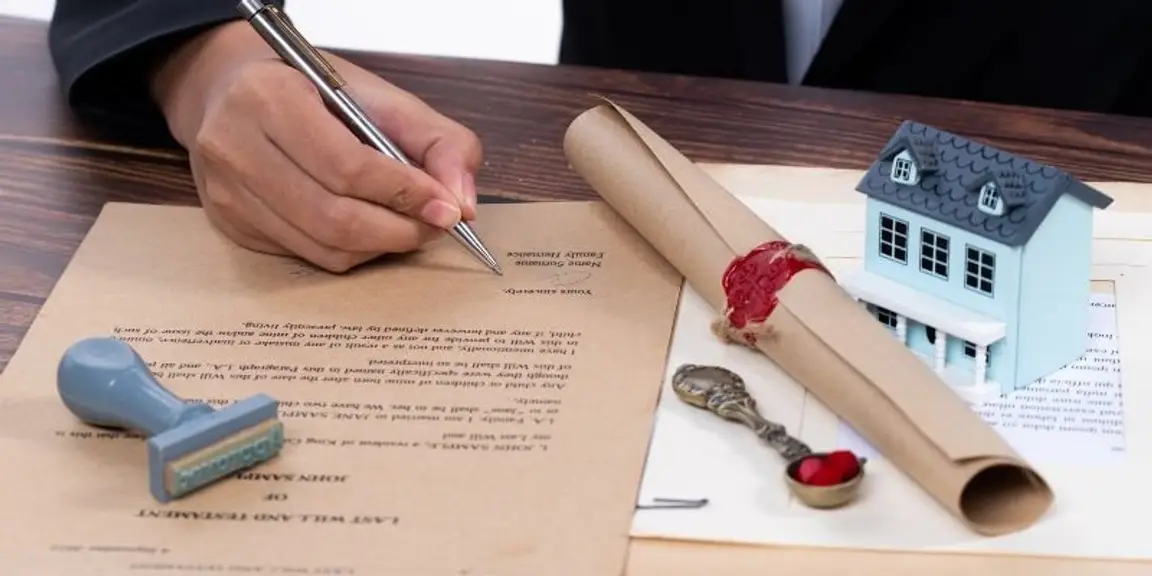


A deed with your late mother’s name on it won’t move her house to a buyer. Title companies here want proof of who can sign. That proof usually sits in a probate file, in the county deed records, or in a trust binder somebody stuffed in a hall closet. I’ve bought homes from heirs in Garland, in Fort Worth, and in small towns along I-35. The paperwork question comes up first almost every time.
Each of the documents required to sell inherited property in Texas comes from a specific office. Most of the delays I see come from one form nobody knew to order.
What Documents Are Required to Sell Inherited Property in Texas?
Texas doesn’t issue a single certificate of transfer for an inherited house. Families sometimes hunt for one after reading about other states, and that search can cost weeks. Here, a few different papers do the same job.
Start with a certified copy of the death certificate. A photocopy won’t do, because the county clerk and the title company both want certified copies. Order three or four, since the bank and the insurer will ask too.
Next comes proof that someone can sign. When a will goes through probate, the court issues letters testamentary naming the executor. With no will, the court can appoint an administrator and issue letters of administration instead. Either set of letters lets that person sign for the estate.
Then there’s the title chain. Many Texas houses pass outside probate through a transfer on death deed or a right of survivorship agreement. In those cases, the survivor usually records an affidavit of death in the county deed records. When nobody opens probate at all, a title company may accept a recorded affidavit of heirship instead.
Add the will if one exists, the last recorded deed, the latest property tax bill, and the mortgage payoff statement. That’s your core stack.
What Transfer Taxes and Recording Fees Should You Expect?
Sellers budget the agent’s commission and a few hundred for title work, then call the math done. Then someone mentions transfer taxes, and they start to worry about a surprise line on the closing statement.
Here’s some good news. Texas doesn’t charge a real estate transfer tax, at the state level or anywhere else. That line simply won’t show up on a Texas closing statement.
Recording costs stay small. A deed, a release of lien, or an affidavit of heirship gets recorded with the county clerk for a per-page fee. Your title company usually rolls that charge into the closing statement.
One wrinkle trips up families who handle this themselves. Any affidavit of heirship or affidavit of death has to be on record before the sale deed. Otherwise the chain won’t make sense to the next buyer’s title insurer. Your title company handles that order in a normal closing.
Since Texas has no transfer tax, there’s no exemption form to file for an inheritance. Your county clerk can still tell you what each recording costs before you send papers in.
What Should You Do Next with Your Inherited Property?

A couple of years ago I bought a small ranch house in Mesquite from a man in Arizona. He’d inherited it from his aunt and had been a long-distance landlord for three years. His tenant left on a Friday, and he called me Monday to say he was done.
That’s a common fork in the road. You can keep it and rent it, fix it and list it, or sell it as it stands. Your distance from the house and your patience for a repair list matter more than the house itself.
Listing works well when the place is clean, the heirs agree, and nobody needs money fast. It also helps to have someone local who can handle showings and repairs.
An as-is sale makes more sense when the roof is shot, the foundation has shifted, or three siblings in three states disagree about paint colors. At Investor Home Buyers, we buy houses in that condition, and nobody has to clean out the garage first. Heirs who want cash home buyers in Garland or need to sell a house fast in Fort Worth get the same plain process. You stop paying insurance, utilities, and taxes on inherited property that sits through a long listing.
Renting it out? Fine, if you want to be a landlord. Most people learn within one furnace call that they don’t.
Your Final Document Checklist for Closing Day
So what do you actually hand the title company on closing day? A Texas closer usually wants the stack in this order.
- A certified death certificate for every deceased owner on title.
- Letters testamentary or letters of administration, if an estate was opened, showing who the executor or administrator is.
- The will, if there is one, along with the court order that admitted it to probate.
- A recorded affidavit of death if the house passed by survivorship or a transfer on death deed, or the approved small estate affidavit or recorded affidavit of heirship.
- The prior recorded deed showing how the decedent held title.
- The deed from the executor or heirs to the buyer.
- A release of lien for any mortgage or home equity loan that’s already paid off.
- The current property tax bill, the mortgage payoff, and proof of insurance through closing.
- A date-of-death valuation from a licensed appraiser or a solid broker opinion, for your capital gains math later.
No clerk requires number nine, but it protects you at tax time. I’ve watched families skip it and then try to rebuild a value three years later from old Zillow screenshots.
If the inherited property was held in trust, swap items two through four for the trust certification. Everything else stays.
Bring originals. Counters often reject scans and phone photos, and a second trip to the courthouse in Denton or Waxahachie eats a whole day.
What Is Inherited Property and How Does It Work?
Picture a widowed father who owns a bungalow outright in Irving, with his name alone on the 1998 deed. He passes in March, and now three adult children hold ownership interests in a house none of them can legally sell yet.
Inheritance shifts ownership at death. Marketable title, the kind a buyer’s lender will accept, follows later through recorded documents. Most of the work of selling inherited property happens in the gap between those two events.
How the decedent held title drives everything. If the deed or a signed agreement includes a right of survivorship, the survivor takes the house, so clearing title is mostly a recording job. Without that language, a co-owner’s share goes to that owner’s estate or heirs. Married owners add a twist, since community property rules decide how much the surviving spouse already owns. Sole ownership with no transfer on death deed almost always means probate or an affidavit.
With no will, Texas intestacy rules decide who the heirs are. An affidavit of heirship lays out the family tree. It’s signed by someone who knew the family but doesn’t inherit anything, then recorded in the county deed records.
Now the good news on taxes. Under federal law, inherited property gets a basis equal to its fair market value on the date of death. Say your parents bought a house for $42,000 in 1981 and it’s valued at $310,000 when it passes to you. Your basis starts at that higher figure, so a sale near it leaves little or no taxable capital gains. That’s why the appraisal matters.
Do You Need Probate to Sell Inherited Property?

“We’re the only two kids, so the house is just ours.” I hear that a lot, and it’s wrong often enough to get expensive. A buyer’s title insurer cares about a recorded chain of ownership, and if the last recorded owner has died, somebody has to close the loop on paper.
Plenty of Texas estates never need a full administration, though. Under Chapter 205 of the Texas Estates Code, a small estate affidavit can work when there’s no will. The estate’s assets, not counting the homestead and exempt property, must be worth $75,000 or less. A judge has to approve it, and it can only pass a homestead, not other real estate.
A revocable living trust also skips probate, as does a recorded transfer on death deed or a right of survivorship.
If there’s a will and the estate owes no unpaid debts besides liens on real estate, a court can admit it as a muniment of title. The will itself then works as the title document. Anything else goes through administration, and most Texas wills ask for independent administration, which keeps court involvement light.
How Does Court Approval Work When Selling During Probate?
Families often expect the court side to cost a fortune and take forever. Independent administration rarely does either. Once the court issues letters, Section 402.052 of the Texas Estates Code lets an independent executor sell estate property without a separate court order. The executor files an inventory, sends the required notices, and the sale closes like a normal one with extra signatures.
Dependent administration is the slower cousin. A judge must approve the sale and an attorney handles the filings. Families usually land there for a reason, such as a contested will, a missing heir, or an estate that owes more than it holds.
A few notes from the buyer’s side. Buyers and lenders want to see the letters early, not three days before closing. The personal representative signs in a fiduciary role, and the deed must say so.
Call the probate court clerk in your county in week one rather than week six. That free call tells you what their office needs. Texas also gives you four years from the date of death to probate a will, so don’t let it drift.
Can You Sell Property That Is Held in a Trust?
A trust doesn’t always skip the paperwork. A home sells out of a trust only if the deed was moved into the trust while the owner was alive. Plenty of Texas families paid for a revocable living trust in 2009, signed a stack of papers, and never moved the home into it. That house stays in the decedent’s own name, and the estate goes to probate anyway.
So check first by pulling the last recorded deed from the county clerk and reading whose name is on it.
When the house really is held in trust, selling gets cleaner than almost any other path. The successor trustee steps in, signs a certification of trust for the title company, and conveys by trustee’s deed. Nobody opens a probate case or waits on a court date. If the trust names two siblings to serve together, both sign, and both need to agree on price.
The trust may owe property taxes and file its own return for the year of the sale. Stepped-up basis generally covers assets in a revocable trust too. A CPA who handles trust returns earns their fee on that one.
How Long Before You Can Sell an Inherited Property?

For years I told sellers the probate clock was the only thing between them and a closing. That was lazy advice. The real delay is almost always a document nobody ordered yet.
You can sign a purchase agreement fairly early. What you can’t do is deliver clear title before the authority documents exist. A small estate affidavit can’t be filed until 30 days after the death, and a judge still has to approve it. A probate application also needs posted notice before the hearing, so letters usually take at least a few weeks. In the sales I’ve seen, the house often closes well before the estate does.
An inherited house that needs work tends to sit on the market longer than a move-in ready one. Cash buyers shrink that back half of the timeline, though they don’t shorten probate. If you’d rather sell your home for cash once the paperwork is ready, a direct buyer can close on your schedule.
How Do You Sell Inherited Property with Multiple Heirs?
One holdout sibling can freeze a sale for a year and drain the estate with carrying costs. I’ve watched a decent house in Tarrant County sit empty through two summers over $8,000 in repair credits.
Every heir with a stake has to sign the deed. If three siblings each hold a share as cotenants, all three sign. One refusal stops everything, no matter how reasonable the other two are.
A few habits help. Agree on how you’ll value the house before anyone sees a number, ideally with a licensed appraiser instead of a free online estimate. Let the personal representative handle communication so the buyer isn’t fielding calls from four people. Decide early whether anyone in the family wants to buy out the others.
If one heir lives in the house, put the terms in writing before listing.
A partition action in district court is the last resort. A judge can order the house sold and the money split among the owners, and the legal fees come out of everyone’s share. Is that what your mother wanted for her kids? Probably not.
More Documents Required to Sell Inherited Property
Some paperwork gets forgotten until a closer asks for it on a Thursday afternoon.
Tax documents come first. The IRS treats inherited property as long-term no matter how fast you sell. You report the sale on Form 8949 and carry the totals to Schedule D of your 1040. Your closing agent issues a 1099-S, so the IRS will know about the sale. Keep the date-of-death valuation and the closing statement in one folder.
Court paperwork comes next. An executor generally has to file an inventory, appraisement, and list of claims within 90 days of qualifying. Some independent executors can file an affidavit instead. Keep a copy for the title company, since it shows the house belongs to the estate.
Texas usually requires a seller’s disclosure notice, and estates get a break here. Section 5.008 of the Texas Property Code exempts transfers by a fiduciary during the administration of an estate or trust. Gather any well and septic records and unpaid utility bills anyway.
Insurance is the sleeper. Coverage for a vacant home works differently than a standard homeowners policy, and a lapse can leave the estate exposed through a Texas storm season. Call the carrier the same week you call the attorney.
What Closing Costs Do Heirs Actually Pay?
Families often worry about taxes at closing, but government fees are rarely the expensive part of selling inherited property.
Commission on a traditional listing takes the biggest bite, followed by title insurance and the closing fee. Property taxes get prorated at closing. Repair credits from a home inspection can add more. Estate costs stack on top, including attorney bills, the appraisal, and court filing fees.
Put real numbers on it. At a 6 percent commission, a $250,000 sale pays $15,000, and Texas adds no transfer tax on top.
One last point on property taxes. Texas taxes are paid in arrears, so the estate usually credits the buyer for the months it owned the house that year.
When Selling As-Is Makes More Sense Than Listing
A home that sat for two years with the AC off has problems a buyer’s inspector will find. Think knob-and-tube wiring in an older Fort Worth duplex, or foundation movement nobody fixed. The estate has to pay for repairs, credit the buyer, or watch the sale fall apart during the option period.
Meanwhile the bills keep coming. Taxes accrue, and premiums on a vacant home run higher. Every month the place sits, the heirs net less, and the sibling who wanted out in March is still waiting in September.
An as-is cash sale gives up top-of-market price in exchange for certainty and speed. There’s no inspection contingency, no financing contingency, and no staging an empty home. For cooperative heirs with a property that needs real work, that trade often wins. For a well-kept home with heirs in no hurry, it probably doesn’t. Run both numbers before you decide.
Frequently Asked Questions
Do I Have to Pay a Transfer Tax When I Inherit a House in Texas?
No. Texas doesn’t charge a real estate transfer tax, either when you inherit the house or when you sell it. You’ll still pay normal recording fees and closing costs.
Can I Sell an Inherited House in Texas Before Probate Is Finished?
Often, yes. An independent executor with letters can sell during administration. Some estates qualify for a muniment of title or a small estate affidavit instead. Talk with an attorney before you sign a listing or an offer.
What Happens If One Sibling Refuses to Sell?
Nothing moves until the dispute ends. The rest of the family can buy out the holdout or ask a court to order a sale through partition. Partition works, but it’s slow and the legal fees come out of everyone’s proceeds.
Will I Owe Capital Gains Tax on an Inherited House?
Usually very little. Your basis resets to fair market value on the date of death, so you’re taxed only on growth after that date.
How Long Does It Take to Sell an Inherited Property in Texas?
It depends on the paperwork path. A sale can close during independent administration once the executor has letters. A cash buyer can usually move faster than a financed one.
Who Pays the Property Taxes While the House Sits in Probate?
The estate pays from estate funds. When the estate has no cash, heirs often advance the money and get paid back at closing. Unpaid taxes become a lien and will show up at title search either way.
Ready to Talk About Your Inherited House?
If you’re holding inherited property in Texas that came to you through a loss, there’s no rush to decide anything today. When you want a straight answer on its as-is value, we’re happy to walk through it with you, along with an honest read on whether listing or selling direct fits better. It’s one conversation with no pressure. You can contact us whenever you’re ready.
Helpful Texas Blog Articles