
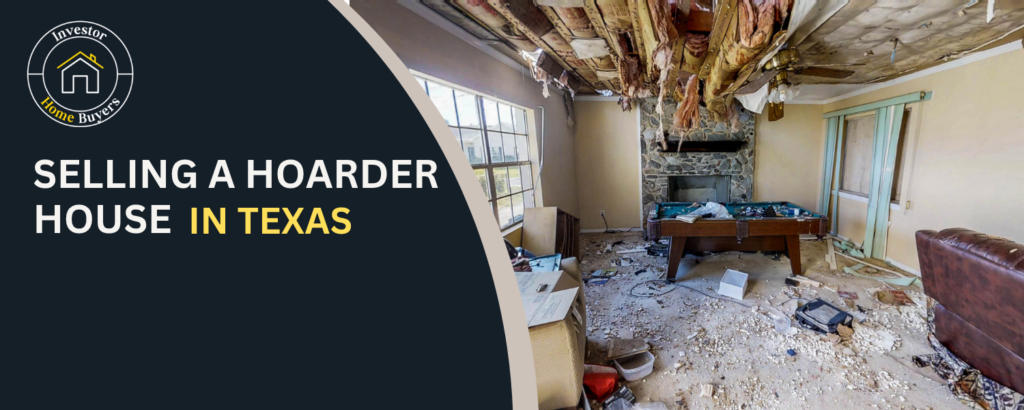
It is heartbreaking to see a messy home. It’s a lot. I’ve seen hundreds of hoarder houses in Texas, from cozy Deep Ellum apartments to sprawling Katy ranches. Every story is a story of struggle and hope. You are not the only one. If you’re an owner or heir of a Texas hoarder house, you don’t have to spend months cleaning up or thousands of dollars to sell it. Let me show you what you can do.
How to Sell a Hoarder House in Texas: Complete Property Owner’s Guide

Know your options for selling a Texas hoarder house fast. You can get the car cleaned fully, partially, or as-is before you list it or sell it to a cash buyer. Different paths have different timelines, costs, and outcomes. Home sales statewide increased 0.7%. Median home price in Texas up 1.2%. Stability of the market. So even with a difficult property, you have options.
“Most homeowners think they have to get the house perfect before putting it on the market. No, not at all. We buy ANY house. Cash buyers and investors. Investor Home Buyers can help in these situations. These companies will buy houses in Texas in ANY condition.
The right selling process for your timeline and finances is important to adopt. Selling as-is in Texas is a no-brainer if you want to sell fast and don’t want to clean. If you have time and want the most for your money, strategic cleanup may be worth a thought.
Texas Real Estate Laws for Hoarding Properties and Disclosure Requirements
Texas’ disclosure laws don’t differ for hoarding. That form should be statutory language. It’s aimed at material defects. Traditional sellers must fill out the Seller’s Disclosure Notice. Important: Seller’s Disclosure is after closing in Texas. So if you knew something and didn’t disclose it, the buyer can hold you liable. In extreme cases, the buyer may sue the seller.
You have to disclose structural damage, pest problems, mold problems, and utility problems when you are selling a hoarder house. You can’t hide what you know. You don’t need inspectors to find hidden problems. Nice! Sellers don’t have to tell you about court orders, bankruptcies, government transfers, or when the home is worth less than the property. Most estate sales and family transfers are excluded.
Cash buyers buying properties for renovation often don’t disclose. Honesty helps you legally and creates trust with buyers.
Estate Sale Coordination Before Listing Hoarder Properties in Texas
Before you clean, search the mess for anything of value. Families have discovered vintage jewelry and coins worth thousands buried under years of accumulation. Jewellery, electronics, art, antiques, and important documents are first. Pay special attention to family photos and heirlooms. You still want to clear out these items to protect what matters most, but selling as-is.
In Texas, professional estate sale companies can do quick appraisals. They’re used to hoarding; they have an eye for things other people don’t. They sort and sell, expect 25-35% commission. For example, an estate sale before cleaning. This means fewer things to remove and lower cleanup costs. This will delay your sale, which may not work if you need to sell fast in Austin or anywhere in Texas.
If time is limited, focus on obvious valuables and important documents. All goes with the house for a cash sale. Investor Home Buyers and companies like them do estate cleanouts regularly.
Professional Hoarding Cleanup Services in Texas: Costs and Contractors
Professional hoarding cleanup in Texas depends on the severity and location. Hoarding cleanups usually range from $1 to $2 per square foot, or $1,000 to $4,000. Steri-Clean gives free estimates and charges by the job or by the hour, depending on the size and severity of the home. Hourly rates range from $25 to $100.
But these are conservative guesses. Hoarding cleanup prices vary by location. A study found that hoarding cleaning costs in some states can range from $1,000 to $50,000. At the top are extreme biohazards, structural damage, or pest problems. Dallas, Houston, Austin, and San Antonio will have more options for contractors, but expect higher labor costs. Rural areas have lower hourly rates but less availability and higher travel fees.
The cleanup may be complicated and require the hiring of mold removal or pest control experts, which will add to the cost. Bed bug mitigation. Roach extermination. Rodent extermination. Carpet cleaners. All necessary to make the home livable. Find experienced hoarding contractors. They are sensitive in their work and know about emotions. Always get written estimates and check insurance before work starts.
Pest Control and Remediation Requirements for Texas Hoarder Houses
Hoarding pests are a problem with the Texas heat and humidity. Messy areas are difficult to clean and attract roaches, rodents, and bed bugs. Professional pest control will take a lot of cleanup afterward. Active infestations cannot be cleaned around and disturbing nests without treatment spreads problems throughout the house.
Expect more than just spraying; expect plans for complete treatment. Rodents are eliminated by blocking entry points and removing nesting materials. To treat roaches, remove food sources, and treat wall voids where they are hiding. Bed bug mitigation, roach extermination, rodent extermination, and carpet cleaners are common to restore livability. Depending on severity, these specialty services can add $500–$2,000 to the cleanup costs.
Cash buying can lead to pest problems. The buyer assumes pest liability with a “as-is” sale, which leads to a lower sale price and no upfront costs. Describe your pest problems. Mark those off. Photos can illustrate the scope of problems and avoid disputes over property condition.
Utilities Restoration and Safety Inspections for Hoarded Properties

Hoarder homes are often plagued by bad utilities. extension cords cluttering overloads electric systems. Clogged plumbing causes backups. Vent blockages kill HVAC systems over the years.
Safety inspection of cleanup crews should be conducted before entry onto the site. Unsafe working environment. Electrical hazards, carbon monoxide leaks, and structural instability can make the work dangerous. Texas inspectors can red-tag unsafe houses. Although it slows sales, it is better to be proactive and handle emergency orders.
Restoring utilities is more expensive. Electrician repair costs: $500-$1,500. A major rewiring can cost $5,000-$15,000. Plumbing issues can run from $300 drain cleaning to $3,000 main line replacement. Most surprised by the leaking pipes under the clutter. Plano and The Woodlands have beautiful homes that have hidden structural damage until the clean-up.
If the utilities are not working, then selling as is to a cash buyer is a good option. Selling as-is passes $10,000-$20,000 repair costs to a major renovation skilled person.
Structural Repairs Needed After Hoarding: Texas Building Code Compliance
Hoarding often masks structural problems. Floor joists are weakened by too much weight. When the ground moves, walls crack. Roof leaks go unrepaired for years. The median home price in Texas in October was $335,000. Dallas had the biggest jump (3%) from $393,340 to $404,995. Austin trails 1.8 percent ($430,304 to $437,835). Such prices mean that structural repairs are a major factor in net proceeds.
Building codes in Texas require permits for most structural work. Foundation repairs, roof replacements, electrical upgrades, plumbing changes. The permit is cheap, but the inspection will take a while. Many foundation problems are caused by Texas clay soil. The foundation moves around a hoarded house with poor drainage. Foundation repairs range from $3,000 to $10,000, but major damage can cost $20,000 or more.
Most agents will not tell you this, but it is better to sell as-is with major structural problems than to fix them. The costs of carrying a repair often outweigh any increase in the sale price. Professional structural engineers assess the damage and estimate the repairs. This information is useful in deciding whether to repair or to sell.
Insurance Claims and Coverage for Hoarding Damage in Texas Properties

Homeowners insurance rarely pays for hoarding cleanups. Insurance companies rarely cover hoarding because it is a maintenance issue. If the hoarding causes water damage from a burst pipe or roof leak, it may be covered. The trick is distinguishing between covered losses and excluded maintenance.
Photograph everything before you start cleaning up. Call your insurance company before you change any evidence of water damage, mold, or structural problems. A few policies provide limited coverage for debris removal after covered losses. This could help with removal costs if you have valid water damage or other covered perils claims, but not hoarding cleanup.
Public adjusters are here to help you get the most out of your insurance claim. They usually take 10-15% of settlements, but usually get homeowners more than they could on their own. Insurance may not cover hoarding cleanup, but look for actual damages. The more you get back, the less you pay.
Evaluating Property Value After Hoarding Damage in Texas Markets
Determine the fair market value of the hoarder property based on its present condition and after-repair value. Zillow and other online estimates do not include hoarding damage, so they are useless to you. Specialized agents who deal with distressed properties can provide CMAs that show both as-is and after-repair values. This determines whether the cleanup is cost-effective.
Across the state, inventory months climbed to 4.1 in 2024 from 3.4 in 2023. The analysts at the Texas Real Estate Research Center state that a balanced market is when there are four to five months of inventory. This is a balanced market, so pricing has to be competitive for buyers to have options.
Cash buyers will pay between 60% and 80% of after-repair value, depending on the work involved and the local market. This may not seem like a large sum, but you avoid uncertainties in clean-up, transport, and sale. If your house is worth $300,000 after $40,000 in cleanup and repairs, a $180,000-$220,000 cash offer may be better than a traditional cleanup and sale.
Get several valuable opinions. Investor Home Buyers provides free property valuations to help you price as-is sales.
Texas Property Inspection Requirements for Previously Hoarded Homes
Old-school buyers will have to do professional inspections. Hoarded properties often fail spectacularly. Clutter can hide electrical panels, plumbing fixtures, and HVAC systems, so you can’t inspect them. You need a cleanup to pass inspection, but buyers of inspection failures have the power to negotiate or walk away. That’s why cash buyers make sense with as-is sales.
For traditional sales, it is recommended to do a pre-inspection after the basic clean-up. This catches problems before you list and avoids surprises when a buyer inspects. Pre-inspections are $400-600, but save thousands in last-minute negotiations. Texas does not require seller inspections, but hoarded properties do. Inspection reports give buyers transparency of property condition.
Some inspection companies deal with hoarding and distressed properties. They can cover more areas than general inspectors and estimate work more accurately. Know the inspection requirements of different lenders and buyers. Cash buyers are skipping inspections, and FHA buyers require more specific property criteria.
Working with Real Estate Agents Experienced in Hoarder House Sales
Agents may not understand the challenges of hoarding or asbestos concerns. A distressed property expert won’t judge you or pressure you into expensive repairs that may not make financial sense. Look for agents with experience handling hoarder homes, estate sales, investor properties, and houses with asbestos. They understand the process and often have connections with contractors, asbestos specialists, cleaners, and cash buyers.
Let me be frank. A full clean-up is easier to market and could mean a higher commission for the agents. But if the fix costs more than it adds, that may not be best. Experienced agents can estimate timeframes and prices for the selling strategy. Provide investors with cleanup and traditional sale vs. as-is sale options.
Commissions can be negotiated on difficult properties. Some agents will take a lower commission to make a quick cash sale, while others will upgrade to maximize profit. Interview a few agents before you decide. Ask them about their experience with hoarded properties and ask for references from clients with similar situations.
Marketing Strategies for Selling Previously Hoarded Properties in Texas
Marketing hoarded properties is all about honesty and optimism. Photos should represent the property as it is now and what it can become. Dishonest marketing is illegal and a waste of time. Basic cleanup and professional photography can reveal good natural light, architectural features, and room layouts. Pre-condition photos available for serious buyers.
Segment Marketing: Target Specific Buyers, Contractors, house flippers, and cash investors look for these opportunities. Retail buyers are not fans of hoarded properties. BiggerPockets, real estate investor forums, and Facebook marketplace reach investors well. Standard MLS listings are beneficial to agent sales, but the description language must be carefully worded.
The thing is to price it right. Overpricing extends market time and attracts the wrong buyers. It creates a sense of urgency and several offers from qualified buyers. Think of auction sales for special occasions. Auctions are good for estate sales or for guaranteed sale dates. They sell for 70-85% of retail and take the guesswork out of selling.
Cash Buyers vs Traditional Sales for Hoarder Houses in Texas
Cash buyers are fast and reliable, but will pay 60-80% of retail value. Traditional sales result in cleanup, repairs, and long timelines with no guarantee of success. No one talks about asset maintenance costs during clean-up and traditional sale that can erode theoretically higher proceeds. Property taxes, insurance, utilities, and upkeep are costly.
Cleanup sales will close in 2-3 weeks, and traditional sales take 3-6 months. Speed is good if you need cash quickly for medical bills, buying property, or paying off debt. Cash Buyers pay all closing costs, repairs, and cleanup. With a traditional sale, you have to pay these costs upfront, and there’s no guarantee the buyers won’t request more concessions after inspections.
Assuming 20% down payment, median-priced home buyers in Houston paid nearly $100 less per month in principal and interest than a year ago. For buyers, the good news is that Houston’s affordability has improved in the last 18 months. Affordability helps traditional sales, but there are specific challenges with hoarded properties.
Work out the net proceeds for each option before you decide. Such as cleaning, repairs, hauling, commissions, and closing costs. Gross prices are lower, but cash sales generally generate more.
Financing Options for Buyers Purchasing Hoarder Houses in Texas
Traditional lenders avoid properties that are hoarded. Hoarded homes often fail FHA, VA, and conventional loan habitability standards. That leaves cash buyers and private-financing investors. That’s why cash buyers and as-is sales are your best bet.
Some investors use private lenders or hard money loans to buy investment property. These loans require 20-30% down and higher interest rates, but have different property condition requirements. 203(k) renovation loans require the property to be livable when the work is completed. Most hoarded properties are not.
Some motivated buyers with renovation experience can take advantage of seller financing. You own the loan as they fix it and refinance to traditional financing. Buyer financing constraints can help you estimate your buyer pool and timeline for sales.
Negotiating Repairs vs As-is Sales for Texas Hoarder Houses

Buyers in the traditional sense will usually request repairs after the inspection, especially on hoarded properties. Negotiations can be heated and expensive. As-is sales remove repair negotiations; buyers do all improvements themselves. In times of emotional and financial stress, having this certainty is worth it.
Sell traditionally, but rather than repairs, issue credits to allow buyers to select contractors and quality of repair, and reduce your involvement. With as-is sales, the buyer finds other issues, and the repair negotiations stall at $5,000 instead of ramping up to $15,000.
Even if negotiations are off the table, safety issues, code violations, and lender requirements must be addressed. Cash buyers like Investor Home Buyers make offers based on as-is value, no repair negotiations.
Tax Implications of Selling Inherited Home Properties in Texas
“Stepped-up basis” to fair market value at inheritance generally shields inherited properties from capital gains taxes. But your tax basis may change because of improvements made after you inherit. Keep receipts for cleanup or repair costs that you may be able to deduct from the sale.
There may also be other exclusions if the deceased’s primary residence is. There are rules on inherited property that can be complicated, so consult a tax professional. With no state income tax, only federal taxes apply, which makes taxes easier.
Estate taxes are seldom paid on individual properties unless the whole estate is valued above the federal exemption levels (currently $12 million). Estate taxes are rarely affected by inherited heirloom houses. The price of inherited real estate warrants professional tax advice. Tax professionals can find deductions and strategies to reduce your tax bill.
Timeline Expectations: From Cleanup to Closing on Texas Hoarder Properties
Traditional timelines are 3-6 months for clean up and sale.
- Clean up – 2-8 weeks,
- Repairs – 1-2 weeks
- Marketing – 2-4 weeks
- Closing – 4-6 weeks
Hoarding cleanup workers make $30-$80 per hour. It costs about $1,000 for a two-person crew for six hours. The bigger the job, the more time and people are needed. Weather can be a factor in outdoor cleanup work, particularly in Texas heat. Most dumpster deliveries and contractor work can be delayed by winter weather, making summer clean-up difficult.
Major repairs are permitted with a permit. Electrical simple work permits and inspections take 1-2 weeks. Major renovation permits can take 4-8 weeks. Cash buyers typically close as-is sales in 2-3 weeks. This speed comes in handy when you’re in a financial or emotional pinch.
Think about delays you did not expect. “Clean up often shows up more problems that delay timelines. Allow time and money for contingencies on hoarded property. If the property has suffered additional damage beyond clutter, such as fire or smoke issues, you may want to explore your options for selling a fire-damaged house fast in Texas
Frequently Asked Questions
Can Hoarder Houses Be Sold in Texas?
Hoarder houses do sell in Texas. You can sell as is to cash buyers. Clean up and sell traditionally. Clean up just enough to attract a certain buyer. Pick a strategy that works for your budget and timeframe.
Can I Sell My House for $1 to a Family Member in Texas?
But a sale for $1 might affect the seller’s gift tax and the buyer’s tax basis. Texas: Sell at any price to family. If you sell to family members for less than fair market value, discuss the gift tax implications with your tax professionals.
How Do I Avoid Capital Gains Tax on Selling a House in Texas?
Texas has no capital gains tax. So just federal. You can exclude up to $250,000 ($500,000 for married couples) in capital gains from the sale if you’ve lived in your primary home for 2 of the last 5 years. An increased basis on inherited property eliminates most capital gains.
What Is the Hardest Month to Sell a House in Texas?
Texas real estate sales hit their lowest levels in December and January due to the holidays and cold weather. Cash buyers and investors purchase throughout the year, so as-is sales are not dependent on the selling season like traditional retail sales.
A hoarder house can be scary… but you have options. Whether you are cleaning up and selling traditionally or selling as-is to cash buyers, you need to have a plan.
Please feel free to discuss your options with us. No worries. No strings. Knowing your options can make the road ahead clearer. Hundreds of families in Texas are in the same position as you are, and Investor Home Buyers can help you.
Helpful Texas Blog Articles
- Court-Ordered Home Sales During Divorce in Texas
- Does a Seller Pay Closing Costs in Texas
- How to sell a hoarder house in Texas
- Sell fire damaged house in Texas
- How Long Does It Take To Sell A House In Texas
- Sell Your House With An Existing Mortgage In Texas
- Selling A House In Foreclosure In Texas
- Selling A House With Asbestos In Texas
- Selling a Rental Property in Texas
- Selling Home with Reverse Mortgage
- Sell A House With Water Damage In Texas