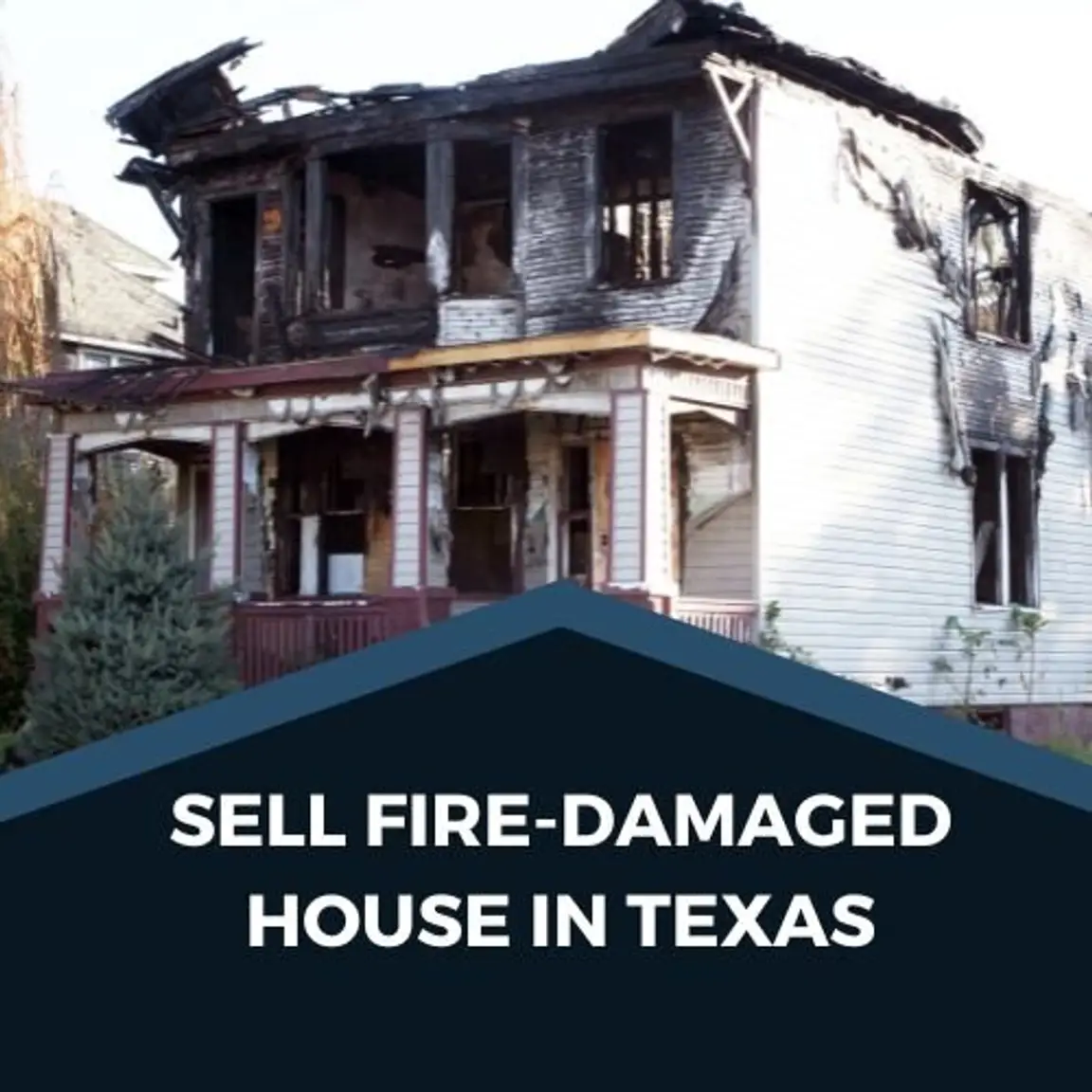

“Your house burned down last month. You still smell smoke when you walk through your front door. The insurance company is slow. The numbers contractors throw at you are confusing. Your neighbors keep asking when you’ll fix things. Nobody tells you: You don’t need to rebuild.
Over the past decade, I’ve bought over 400 Texas fire-damaged homes. Charred frames in Plano and smoke-damaged ranchers in Katy—I’ve seen it all. Putting down a hammer is sometimes smart. Sometimes you leave with cash.
How to Sell a Fire-Damaged House in Texas: Complete Property Owner’s Guide
Fire damage doesn’t devalue property. You have options most homeowners don’t know about. While the Home Price Index fell 0.8% in September 2025, Texas home sales rose 7.3%, creating unique opportunities for sellers who know how to work this market.
Texas real estate differs from that of most states. Cash buyers from California and New York come here because we have no income tax. Energy money is in Houston, tech in Austin, and ag in rural counties. If priced correctly, fire-damaged properties that sit unsold in other states can sell quickly here.
In 2025, Texas homes sold in 67 days, but fire-damaged properties can sell faster to the right buyers. Why? Heavily damaged homes aren’t financed for traditional buyers. You eliminated 90% of competitors.
Fire Damage Assessment: Determining Your Texas Property’s Market Value
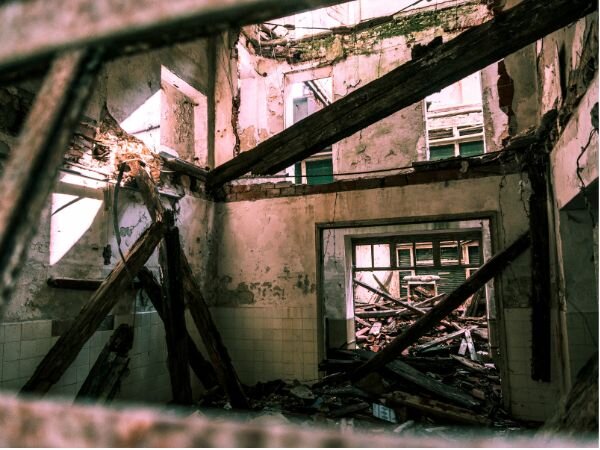
You must first understand your opponent. More fire damage than seen. What fire did to your house’s bones. Integrity first. If the fire damaged load-bearing walls, floor joists, or your foundation, reconstruction will be expensive. Beautiful homes in The Woodlands had fire damage to the frame, so demolition was the only option.
Fires damage electrical systems. Heat can melt insulation and cause housewide fire hazards, even if no flames touch your wiring. Texas requires licensed electricians to inspect and certify electrical work before issuing occupancy permits. That inspection alone costs $500–$1,200. HVAC systems often fail completely. Smoke spreads soot and chemicals through ductwork. Cleaning rarely suffices. Texas central air replacement costs range from $4,000 to $12,000, depending on home size and efficiency.
Texas lost $621.6 million to structure fires in 2013. It now exceeds $800 million annually. That’s not property damage. Lost time, emotional stress, missed opportunities, and life on hold.” Texas fire damage estimators charge $300–$800. Be aware that most restoration companies offer free assessments to sell restoration services. Independent inspectors provide impartial data.
Smoke Damage vs Fire Damage: Impact on Texas Home Sale Prices
Smoke damage is tricky. Fire damage is evident. Both reduce property value, but differently. Most people consider fire damage. Burned walls. Fixtures melted. The roof collapsed. Contractors can estimate replacement costs for this type of damage, making pricing easier. You need a new kitchen after a fire. Simple math.
Smoke damage is trickier. Smoke will penetrate drywall, insulation, subflooring, and concrete. Untreated, its odors can last for years. When I entered Dallas homes six months after the fire, you could still smell it. Smoke contains chemicals. Plastics, synthetics, and treated lumber in modern homes release toxic compounds when burned. These chemicals cause odors and make a home unlivable until they’re gone.
In Texas, houses with fire damage but little smoke damage sell for 60% to 70% of their pre-fire value. Homes with heavy smoke damage but little fire damage sell for 40%–50% of pre-fire value. You wonder why? Buyers know smoke damage is harder to fix. Add more firefighting water damage. Wildfire claims raise home insurance rates by 24%. Just the insurance hit. Water can cause foundation, mold, and structural issues that may not be apparent for months.
Investor Home Buyers evaluates complex damage situations. They can provide realistic market values based on actual sales data, not theoretical repair costs, after seeing fire, smoke, and water damage in Texas.
Pre-sale Inspections for Fire-Damaged Homes: Texas Building Code Compliance
Texas has stricter building codes than most states after recent wildfires. The Smokehouse Creek Fire, the state’s largest wildfire, burned over a million Panhandle acres in 2024. These incidents led lawmakers to tighten fire safety regulations. Fired homes sold as ready-to-occupy must pass several inspections. Licensed professionals must approve structural, electrical, plumbing, and HVAC systems. The inspection fees alone can cost $2,000 to $5,000 and take 30 to 60 days in major Texas cities.
Selling to a cash buyer in Dallas who plans to renovate or demolish makes those inspections their problem, not yours. Sell property “as-is” and let the buyer handle code compliance. Due to their lack of inspection skills, most traditional real estate agents avoid fire-damaged properties. Sellers can target niche buyers because “they’re scared of liability issues and they don’t want to deal with the complexity.”
If the fire involved chemicals, asbestos, or lead paint, environmental assessments may be needed. In established Texas neighborhoods like Highland Park and River Oaks, older homes often have dangerous burning materials. Traditional sales take longer and cost more, but cash sales are unaffected.
Structural Fire Damage Repair Costs in Texas: Deciding Whether to Sell As-is
I reviewed these Texas projects recently and found these numbers. The average fire-damaged foundation repair cost is $8,000–$25,000. If the fire cracked your foundation or firefighting water caused settling, you need major structural work. Clay soil in Dallas-Fort Worth causes foundation problems quickly.
Roof replacement costs $12,000–$40,000, depending on home size and materials. Texas hail and wind require more than basic shingles. Impact-resistant for our weather. Complete electrical rewiring: $8,000–$20,000 for most homes. This is required if your electrical system was damaged by fire. Texas electrical codes require AFCI breakers on most circuits, which costs more but prevents fires.
If heat or firefighting damaged your pipes, replacement costs $6,000–$15,000. Texas has mostly replaced copper with PEX piping, but labor costs have skyrocketed. Replacement central air systems for Texas heat cost $8,000–$18,000. Our units must be larger than the northern states, and efficiency requirements raise costs.
Interior renovations typically cost $50 to $150 per square foot to make them move-in ready. A 3,000-square-foot home costs $150,000–$450,000. Add 20% for permits, inspections, and surprises.” Texas cities often find more issues after work begins.
A reality check. If your repair costs exceed 50% of your home’s pre-fire value, selling as-is in Texas usually makes more sense. Avoid months of construction issues, permit delays, and cost overruns. Get cash now instead of possibly getting it back later.
Insurance Claims vs Direct Sale: Best Options for Fire-Damaged Texas Homes
Fire damage insurance companies aren’t your friends. Companies are trying to cut payouts. Texas had the #4 home insurance rates in May 2024. Texas homeowners saw over 28% insurance rate increases from 2022 to October 2023. In general, fire insurance pays actual cash value minus your deductible minus depreciation minus anything they can exclude. Their adjusters, contractors, and inspectors will arrive. All these people work for the insurance company, not you.
I’ve seen Texas insurers pay 30–50% less for fire damage. People will discuss pre-existing conditions, policy exclusions, and poor maintenance. They’ll extend payments while you stay in hotels and pay a mortgage on a house you can’t use. Another option is selling directly to an insurance claim cash buyer. You give them your claim, they deal with the insurer, and you get paid. No fights with adjusters. Timely settlements. NO claim denial risk.
However, 27% of Texas properties are underinsured and cannot cover fire recovery costs. If you are underinsured, selling your claim may be your only option.
Investor home buyers are experts at working with cash buyer insurance companies. Know Texas insurance law and have adjuster contacts. They can negotiate better settlements than homeowners because they speak insurance company language.
Settlement timing is crucial. Insurance claims can take 6–18 months. Direct sales close in 2–4 weeks. If you need money for temporary housing, medical bills, or moving on, try direct sales.
Fire Restoration Companies vs Direct Sale: Cost-benefit Analysis for Texas Homeowners

Restoration companies sell fire restoration services. That’s how they profit. They’ll give you detailed estimates, show before-and-after photos, and promise to make your house better than before the fire. Sometimes restoring makes sense. Restoration can maximize recovery from minor smoke damage in a high-value home. If you love your neighborhood and want to stay, restoration lets you build what you want.
Restoration has risks most companies don’t disclose. Cost overruns are common. First estimates never cover all. Ripping the walls will reveal more damage. Allows delays. Materials exceed quotes. Labor supply varies. Timeline delays are common. A 3-month project becomes a 6- or 9-month. Your mortgage, storage, and temporary housing costs are always there.
Restoration companies vary greatly in quality control. Some excel. Others skimp, use inferior materials, and hire unskilled workers. Texas’ booming construction market is helping good contractors make more money on new construction. Insurance coordination is hard. You’re caught in the middle if the insurance company disputes the restoration company’s work or timeline. You may have to pay yourself and then claim it.
These risks are absent in direct sales. You know what you’re getting and on what. No surprises, delays, or arguments with contractors or insurers. Math also favors direct sales. When considering holding costs and opportunity costs, selling it as-is for $150,000 with a 3-week closing may be better than fixing it for $200,000 and taking 8 months.
Texas Fire Damage Property Sales: Legal Requirements and Disclosure Laws
Texas law requires sellers to disclose material defects, including fire damage. Even after restoration, fire damage is visible. The disclosure rule shields you and buyers from unpleasant surprises. The Texas Real Estate Commission requires specific fire damage language in sales contracts. Traditional real estate agents should know these requirements. Disclose properly when selling directly to a cash buyer.
Environmental disclosures count. Hazardous materials, asbestos, and lead paint in your fire may require additional disclosures. Texas cities have special fire-damaged property requirements. Title issues complicate fire-damage sales. Insurance liens or claim settlement disputes may prevent you from conveying a clear title.
Some Texas HOAs restrict fire-damaged properties. They may have to be reformed or ban certain sales. Read your HOA covenants before listing. Working with experienced cash buyers simplifies legal matters. Investor Home Buyers handles fire damage disclosures regularly and knows how to structure transactions to comply with Texas law and protect your interests.
Title Issues and Fire-Damaged Property: Texas Real Estate Transaction Challenges
Fire damage causes unique title issues that most real estate agents have never encountered. Insurance companies may lien properties during claims. Contractors who started restoration but didn’t finish can file mechanics’ liens. Municipalities can file code violation liens for noncompliant properties.
Those liens remain after the sale. They were involved in the transaction. Negotiating or settling a lien for less than its value requires Texas lien law expertise. Fire-damaged properties complicate title insurance. Standard title policies may not cover fire-related issues. Higher title insurance costs more but protects buyers and sellers.
If a fire damaged property boundaries or structures near them, survey requirements may differ. Cash transactions may require new surveys from some lenders. Probate issues can arise if an inherited property is burned down or the owner dies before settling a fire damage claim. Damaged estate assets are handled differently in Texas probate.
Cash buyers with experience can quickly resolve title issues. The title companies they work with handle complex transactions.
Texas Fire Damaged Property Tax Implications and Capital Loss Deductions
Texas county rules vary on how fire damage affects property taxes. Fire damage reduces assessed value in most counties, but you must apply. It’s not automatic. Property tax cuts are usually temporary. Fixing or selling the property restores its assessed value. Check for tax relief if you’re considering a fire-damaged property.
The rules for federal fire damage deductions are complicated. Your losses may be deductible on the prior year’s tax return if the fire was in a federally declared disaster area for faster refunds. Taxes apply to insurance settlements. An insurance settlement that exceeds your property’s adjusted basis may result in capital gains taxes. Casualty losses may be deducted if the settlement is less than your basis.
Use of your home for business or rental requires depreciation recapture. Fire damage does not excuse depreciation recapture. The tax implications vary by state. Texas doesn’t have a state income tax, but if you’re moving after the fire, know the tax implications. Fire damage sales tax planning requires expertise. Rules are complicated, and the stakes are high. An experienced Texas property law CPA can save you thousands in taxes.
Post-fire Cleanup and Demolition: Preparing Texas Fire-Damaged Homes for Sale
Cleaning will greatly affect your sale price and timing. A partial cleanup may attract traditional buyers, but it is expensive and may not add enough value. Depending on damage and local disposal fees, debris removal costs $3,000–$15,000. Texas cities have different fire debris disposal rules, and some materials require special handling.
Hazardous material abatement may precede cleanup. Special handling is needed for asbestos, lead paint, and burned material chemical residues. Average home abatement costs $5,000–$25,000. Utility disconnections are usually necessary for safety, but they prevent showing the property to buyers. Disconnecting utilities prevents buyers from seeing electrical and plumbing systems.
Property security is costly but necessary. Board-up, fencing, and security systems cost $2,000–$8,000, depending on property size and location. Many cash buyers prefer to clean up themselves because they have crews and disposal relationships. You can sell before cleanup and lose money.
Marketing Fire-Damaged Texas Real Estate: Photography and Listing Strategies
Traditional real estate marketing fails for fire-damaged properties. Charred rooms and collapsed ceilings in MLS photos deter retail buyers. You must target specialized audiences. Professional fire damage photography shows what a property can be, not what it is. Good photographers can show damage, salvageable features, structural integrity, and location advantages.
Drone photography shows the lot, neighborhood, and surrounding area without zooming in on fire damage, making it ideal for fire-damaged properties. Texas buyers prioritize schools, access to major highways, and location. Be honest but strategic when listing. Replace “fire-damaged house needs complete restoration” with “renovation opportunity in a desirable neighborhood with strong bones and great potential.”
Investors, contractors, and cash buyers respond better to targeted marketing than MLS exposure. Fire damage buyers can see past the condition and see future value. Fire-damaged properties can benefit from social media marketing, especially among local real estate investor and contractor networks. Every major Texas city has an active real estate investor community.
Cash Buyers for Fire-Damaged Homes in Houston, Dallas, and Austin Markets
Texas fire damage sales vary by market. You can price and market your property correctly by understanding these differences. Houston’s energy sector attracts the petroleum industry’s cash buyers. Houston’s flat terrain and clay soil can cause foundation issues after fires, but smart investors factor them into their pricing.
Houston sold 89,012 homes in 2025, up 3% from the year before, with a median of 55 days on market. Fire-damaged properties sell faster because they attract a niche market. Dallas-Fort Worth has Texas’s most diverse investor market. Aerospace cash. Telecommunications, banking. Creates buyer types. DFW investors are sophisticated and competitive, raising prices for well-located fire-damaged properties.
Austin’s tech boom attracts California cash buyers used to high prices and complicated deals. Austin investors are used to unusual properties and don’t mind fire damage if the location is right. The median sales price for Austin was $440,000 in April 2026, down 1.9% from the previous year. Austin supports fire-damaged properties in good locations despite price drops and higher offers.
San Antonio’s military and medical sectors need cash buyers who understand government contracting and institutional sales. Many San Antonio investors are long-term and can handle complex transactions.
Texas Real Estate Investors Specializing in Fire-Damaged Property Acquisitions
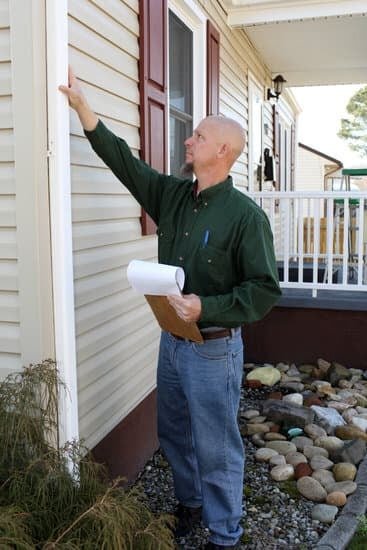
Many real estate investors are unaware of fire damage. Working with distressed property investors with fire damage experience is ideal. Fire Damage Investors Know Restoration Costs. They won’t underbid on worst-case scenarios or inflate repair estimates to justify low offers. They can provide accurate valuations because they know the true cost.
These investors know contractors, engineers, and restorers. Since they don’t spend weeks on estimates and logistics, they can move quickly. Insurance claim investors buy properties with pending insurance claims. They deal with insurance companies and process claims. If you’re sick of fighting your insurance company, this may work.
Investor Home Buyers has specialized in Texas fire-damaged properties for years. They know local markets, building codes, and insurance. They can close quickly and handle complicated transactions that other buyers avoid. Portfolio investors buy multiple properties and can offer better terms because they don’t need financing. Fire-damaged property and other assets you want to sell may interest them.
Negotiating Fire Damage Property Sales with Texas Homebuyers and Contractors
Real estate negotiations differ for fire-damaged properties. You’re not competing with similar properties. Selling to a niche market with specific requirements. The price anchoring effect changes with fire damage. Buyers compare the replacement cost to the purchase price plus renovation cost, not recent comparable home sales. You can adjust your asking price with this knowledge.
Negotiations benefit from timing flexibility. Buyers may pay more for quick closing or flexible possession dates. Cash buyers value speed and certainty over price differentials. Fire-damaged properties often receive repair credits. Credits can replace repairs for some items. This lowers upfront costs and lets buyers control repair timing and quality.
As-is sales eliminate repair negotiations but may lower gross prices. The key is to decide if deal profits are worth the time, money, and risk. Multiple offers are rare for fire-damaged properties, but they do happen in desirable areas or at aggressive prices. Don’t accept the first reasonable offer.
Emergency Fire Damage Home Sale: Quick Closing Options in Texas
Sometimes you must sell immediately. “Maybe insurance doesn’t cover temporary housing. Fire injuries may result in medical bills. You may be too stressed to deal with restoration contractors and insurance companies. Cash buyers can close fire damage sales in 7–14 days without title issues. This requires proper paperwork and experienced buyers who understand fire damage deals.
Hard money lenders may buy fire-damaged properties outright or provide quick financing to investors. These deals can close in 2-3 weeks. Auctions are another fast option, but yield lower net proceeds. Some Texas companies auction fire-damaged homes.
Lease-option arrangements let you sell quickly and occupy the property during restoration. This works best for livable properties with limited fire damage.
The right buyer may qualify for owner financing. You get cash at closing despite a mortgage. Higher sale prices and immediate liquidity may result.
Frequently Asked Questions
How Difficult Is It to Sell a House with Fire Damage?
Fire-damaged homes can be sold with the right approach. Instead of targeting traditional homebuyers, market to investors and cash buyers who understand fire damage. Most retail buyers can’t get financing on heavily damaged properties, so you have a smaller but more qualified pool.
What Makes a House Impossible to Sell?
Texas rarely has a house that won’t sell. The land, location, or salvageable materials of fire-damaged properties are valuable. The main reasons properties don’t sell are title issues, environmental contamination, or legal issues like active liens or building code violations. Most fire damage can be repaired or sold to distressed property buyers.
How Can I Avoid Capital Gains Tax While Selling a Fire-Damaged House in Texas?
Texas has no capital gains tax, but federal rules apply. If the fire is in a federal disaster area, you may be able to defer gains or claim casualty losses. You can still claim the primary residence exclusion if you lived there for two of the last five years. Fire damage is complicated and may qualify for many deductions or deferrals. Consult a tax professional.
What’s the Process for Selling a House After a Fire?
First, consult an insurance adjuster to determine repair costs. Contact your insurance company to file a claim; don’t wait for a settlement. Compare cash buyer and restoration company quotes. If selling as-is is best, find fire damage buyers who understand disclosure requirements and title issues.
Yes, I understand. Nobody expects their house to burn. Nobody wants to be a smoke damage, insurance, or Texas building code expert. You want this nightmare to end so you can move on. Good news: there are more options than you thought before reading this. You can rebuild your case. You can fight insurance companies if you have time and energy. Or sell as-is to a fire damage expert and make money.
I’ve helped hundreds of Texas families in this situation. Some rebuilt and stayed in their neighborhoods. Others started over with the money. No right or wrong, only what works for your family and finances. Talk to us about your options. No coercion. No nonsense about the value of your fire-damaged property and your options. Sometimes the best choice is one that lets you sleep again.
Helpful Texas Blog Articles
- Court-Ordered Home Sales During Divorce in Texas
- Does a Seller Pay Closing Costs in Texas
- How to sell a hoarder house in Texas
- Sell fire damaged house in Texas
- How Long Does It Take To Sell A House In Texas
- Sell Your House With An Existing Mortgage In Texas
- Selling A House In Foreclosure In Texas
- Selling A House With Asbestos In Texas
- Selling a Rental Property in Texas
- Selling Home with Reverse Mortgage
- Sell A House With Water Damage In Texas