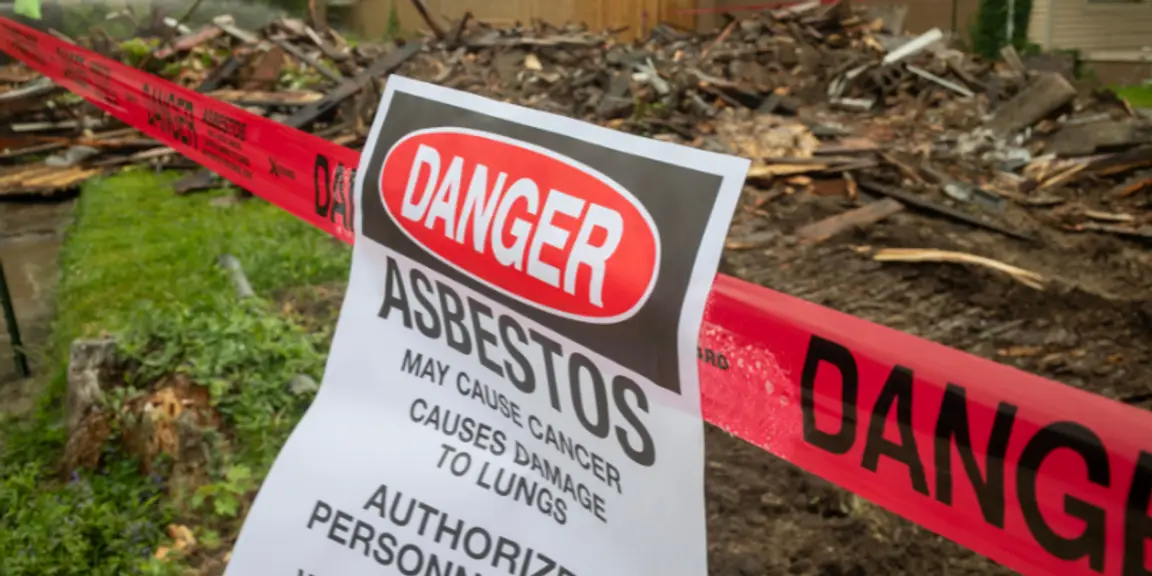

Picture this: you pull up old vinyl floor tiles in a 1960s ranch house off Wurzbach Road in San Antonio, and the color and texture immediately make you uneasy. You call a contractor, and two days later, you have confirmation. Asbestos. A lot of homeowners freeze at that point, convinced the sale is dead. It isn’t, and I’ve watched a sale close successfully with confirmed asbestos on the disclosure.
Texas Homes and Asbestos: What Most Sellers Get Wrong
Many homeowners assume that discovering asbestos automatically ruins a sale, requires expensive removal, or guarantees legal problems. In reality, selling a home with asbestos is often much more manageable. In most cases, disclosure doesn’t end negotiations. Instead, it shifts the discussion toward the property’s condition, price, or potential repair credits. It’s also important to understand the difference between friable asbestos, which can easily crumble and release hazardous airborne fibers, and non-friable asbestos, such as intact vinyl floor tiles or cement siding, which generally poses far less risk when left undisturbed.
Before spending thousands of dollars on asbestos remediation, it’s important to understand exactly what you’re dealing with. A professional inspection can confirm whether asbestos is present, evaluate its condition, and help you determine whether removal is necessary or whether disclosure alone is enough. Many investors and cash buyers are willing to purchase properties with intact asbestos-containing materials. Here’s how Investor Home Buyers can help: we buy homes in as-is condition, allowing homeowners to sell without taking on costly renovations that may not be required.
What Is Asbestos and Why Does It Matter for Texas Home Sales?
A homeowner in the Montrose neighborhood of Houston called me once, panicking about a disclosure question on the TREC form. She’d heard the word “asbestos” from a neighbor and wasn’t sure if her 1955 bungalow even had it, or where it might be.
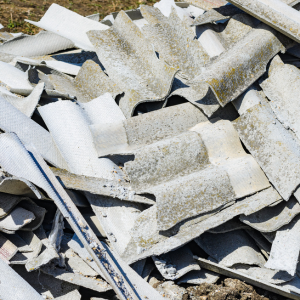
Asbestos is a group of naturally occurring mineral fibers valued for decades in the construction industry for their resistance to heat, fire, and corrosion. For decades before the early 1980s, asbestos fibers were used to produce various materials, including roofing, ceilings, vinyl tiles, oil and coal furnaces, and steam pipes. Texas had a massive mid-century housing boom, and a whole generation of homes from Fort Worth to Corpus Christi to the older subdivisions of North Dallas were built with these materials baked into their bones (I’ve seen it in every layer of a gut renovation).
Major health hazards linked to asbestos exposure include lung cancer, mesothelioma, pleural thickening, and asbestosis. Those risks are real and serious, which is exactly why federal and state governments regulate the material and require disclosure in real estate transactions. This health concern isn’t theoretical; it’s the reason this conversation matters.
What does that mean practically for a Texas home sale? Any house built before 1980 is a candidate for asbestos-containing materials: popcorn ceilings, textured paint, pipe insulation, floor tiles, attic insulation, cement board siding, and roof shingles. Buyers using conventional financing, and the lenders behind them, often insist on testing during the inspection period. Knowing where asbestos typically hides in older Texas properties gives you the chance to get ahead of it rather than get blindsided during escrow.
Can You Sell a House with Asbestos in Texas?
Asbestos removal in Houston costs an average of $3,360, with most homeowners paying between $1,222 and $5,766 for the service. That amount is enough to make any seller wonder whether they even have a path forward. Spending that money up front is just one of several options, which means you’re not backed into a corner the moment you see that estimate.
In Texas, selling a house with asbestos is legal; concealing its presence is not. Texas asbestos disclosure laws require transparency and honesty with potential buyers. There’s a real difference between those two things. The law isn’t asking you to fix the problem. It’s asking you to acknowledge it plainly.
Thousands of Texas homes with asbestos change hands each year. Buyers who purchase older properties in Garland, Pasadena, or the older neighborhoods of central Austin often expect to find materials from that era. The market has priced this reality in. Asbestos in a well-disclosed, structurally sound home rarely ends a sale outright; it shifts the terms of the negotiation.
Your three real paths are: disclose and negotiate a credit or price adjustment, pay for remediation before listing to appeal to a broader pool of buyers, or sell the property as-is to a cash buyer who already accounts for the condition. Each path has trade-offs. Attempting to hide the problem is the least financially sensible. Buyers hire inspectors. Inspectors sometimes flag suspicious materials. And once a deal falls apart late in the game because undisclosed asbestos surfaced during due diligence, you’ve lost time, money, and leverage you won’t recover.
What Are the Legal Consequences of Failing to Disclose Asbestos in Texas?
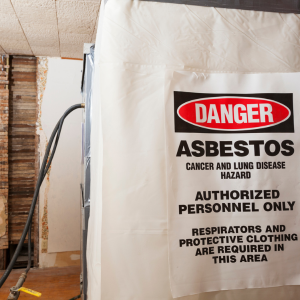
Skipping the disclosure box and hoping for the best is one of the more expensive gambles a Texas seller can make. Buyers who discover undisclosed asbestos after closing don’t just feel deceived; they have legal tools to come after you, and those tools work.
In Texas, a seller’s failure to provide facts about asbestos entitles the buyer to seek compensation under the Deceptive Trade Practices-Consumer Protection Act or the Statutory Fraud Act. Under Section 27.01(a) of the Statutory Fraud Act, the plaintiff does not even need to prove that the seller intentionally withheld the information before recovering actual damages. The last piece catches sellers off guard. Intent doesn’t protect you.
If a buyer finds out later that asbestos was present and you didn’t mention it, even if you claim you “forgot,” you could face lawsuits for misrepresentation or fraud, which might mean covering the cost of repairs, legal fees, or even reversing the sale in extreme cases.
What does that exposure look like in dollars? Asbestos abatement attorney fees, remediation costs, and potential monetary damages can quickly exceed the cost of simply disclosing and negotiating in the first place. A buyer’s attorney will argue misrepresentation; you’ll be defending yourself with legal fees of your own. The EPA’s asbestos guidance makes clear that ignorance isn’t a reliable defense once evidence surfaces that you had prior notice.
If the seller fails to deliver the disclosure within the timeframe specified in the sales contract, the buyer may terminate the sale without financial consequences. Timing is another exposure most sellers don’t think about. Deliver the disclosure late, and the buyer walks away clean, taking your sale with them.
How Does Asbestos Affect Your Home’s Value in Texas?
For a long time, I assumed asbestos automatically knocked a fixed percentage off a home’s value, like a formula you could run. That’s not how it works in practice.
There is no fixed percentage reduction for asbestos. Value adjustments are typically tied to the estimated remediation cost, plus a discount for the buyer’s risk, and for most properties, this lands somewhere between 5 and 20 percent of the home’s “clean” value, depending on the extent of the issue and local market conditions.
What actually moves that number is the condition and location of the asbestos-containing materials. Intact vinyl floor tiles in a 1,100-square-foot bungalow near Oak Cliff in Dallas are a very different repair estimate than friable pipe insulation running through three floors of a two-story home in Katy. The former is manageable; the latter makes conventional buyers nervous and lenders even more so, leaving you to negotiate with cash investors who already know the territory.
Removing asbestos won’t directly add to your home’s value, but buyers may not purchase a property with known asbestos due to health risks and future removal costs. Removal can prevent your property value from declining and may widen the buyer pool, which can spark competition and help your price hold.
The real value hit comes when you have a limited pool of buyers. Conventional loan buyers are often shut out by lender requirements around hazardous materials. FHA and VA loans can be even stricter. That narrows your field to cash buyers, investors, and a smaller slice of conventional buyers willing to negotiate a credit. Pricing for that reality before you list keeps you from sitting on the market for months and eventually accepting a worse number anyway. The Texas Department of State Health Services provides licensing information and contractor resources to help you get accurate remediation estimates before you price the home. Having those numbers in hand before your first listing conversation is worth the effort.
Should You Remove Asbestos Before Listing Your Home?
One seller I worked with spent nearly $9,000 removing popcorn ceilings from a 1,900-square-foot home in Round Rock, convinced it would unlock a higher sale price. The final offer came in at only about $4,000 over our estimate before the removal. The math didn’t pencil out.
Removal before listing makes sense in a specific set of circumstances: the asbestos is friable, the affected area is large, or lender requirements for the likely buyer pool make the sale impossible without remediation. In those situations, asbestos abatement is a precondition, not an upgrade. In Texas, you’re required to have a certified professional handle asbestos removal that involves more than 160 square feet, and even under that threshold, hiring a licensed pro is smart given the serious health risks (I’ve never seen a shortcut here end well).
Homeowners with asbestos have two options to make it safer: sealing it in place or fully removing it. Asbestos is only dangerous when disturbed, and sometimes it’s both safest and cheapest to cover it rather than remove it. Encapsulation done by a licensed contractor, properly documented, satisfies most buyers and their inspectors.
Asbestos removal in Dallas averages around $2,881, with most residents paying between $1,610 and $4,195. Factor that against your expected sale price and realistic offer adjustments before pulling the trigger on remediation. Ask two or three contractors for written documentation of what they found and how they addressed it, which also lets you compare scope and approach before you commit to anyone. That paperwork becomes part of your disclosure package and gives buyers confidence without requiring you to spend money that won’t come back.
How to Sell a Home with Asbestos in Texas
Pricing the home correctly from day one matters more than any single repair decision you’ll make.
Sellers who over-invest in remediation to justify a full retail price, then list and sit for sixty or ninety days, end up in a worse position than if they’d listed honestly at a market-adjusted number from the start. Here’s the realistic path:
First, get a professional asbestos inspection from a licensed inspector, separate from any abatement company. You want an unbiased assessment. Provide all relevant documents from the inspection, such as the asbestos report and any remediation work done; potential buyers should be able to review this documentation.
Second, decide between encapsulation and removal based on the material’s condition and location, not on emotion. Bring those quotes to your pricing conversation.
Third, be strategic about who you market your property to. Traditional buyers using conventional financing may encounter lender or appraisal requirements when asbestos is present, which can delay or even derail the transaction. Working with cash home buyers in Texas, such as Investor Home Buyers, can simplify the process, as they buy homes in as-is condition and typically do not require sellers to complete asbestos remediation before closing. The same is true whether you sell your house fast in Houston or work with cash home buyers in San Antonio.
Do you know what your home would actually sell for on the open market with full asbestos disclosure, versus a direct cash offer? Running both numbers side by side before committing to a path is the most useful exercise you can do. Many sellers are surprised to find that the gap is smaller than they assumed once agent commissions, closing credits, and carrying costs are factored in (especially the months of holding costs).
What Happens If You Find Asbestos After Buying a Home in Texas?
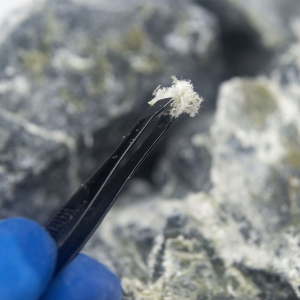
So you just closed on a house in Pflugerville, and the home inspector your uncle recommended missed the crumbling pipe wrap in the crawl space. What do you actually do?
Stop any renovation activity immediately. Disturbing asbestos-containing materials without containment is how exposure happens. Most asbestos experts agree that a homeowner should not attempt to fix, patch, or seal asbestos. The Occupational Safety and Health Administration maintains guidance on protecting yourself from exposure once asbestos is suspected. Call a certified inspector first, get the material tested, and then get remediation quotes (certified abatement contractors book out fast).
From a legal standpoint, your options depend heavily on what the seller knew and disclosed. A buyer may sue if the seller knowingly failed to disclose asbestos on the Seller’s Disclosure Notice and evidence supports intentional concealment. Honest disclosure is the seller’s best protection; if the seller properly disclosed what they knew, or genuinely didn’t know about the asbestos, they have strong legal protection against claims.
The practical reality is that proving the seller’s knowledge is the hard part. If the seller genuinely had no idea and disclosed it accordingly, litigation would be expensive and uncertain for both sides. If you’re in this position, talk to a Texas real estate attorney before making any assumptions about your legal options. An attorney at law who handles property disclosure cases will be able to assess whether you have actionable grounds and what type of compensation or damages you might realistically recover.
Can You Seek Compensation for Undisclosed Asbestos on a Texas Property?
Some sellers push back on this: “The buyer hired an inspector. Wasn’t it the inspector’s job to catch it?” That’s a fair question, but it doesn’t hold up as a complete defense in Texas courts.
A home inspector and a seller carry different legal duties. The inspector’s job is to report what’s visible and accessible. Lab testing, not a visual scan, is required to identify asbestos. Real estate buyers are authorized to sue a seller when that seller fails to give full disclosure on the presence of asbestos on a property.
Two separate legal theories apply. Under the Deceptive Trade Practices-Consumer Protection Act, a buyer can pursue monetary damages, attorney fees, and, in some cases, treble damages if the seller’s conduct was knowing or intentional. Under the Statutory Fraud Act, the buyer is not required to show you deliberately hid the problem, making the seller’s intent less of a hurdle.
Buyers may request that asbestos be removed before the sale is finalized, or they may ask for a credit toward the cost of future remediation. When those negotiations happen during a live transaction, they’re manageable. When they happen after closing through litigation, everyone loses time and money. Sellers who disclosed fully and in good faith are in a far stronger position to defend any post-closing claim, because the paper trail (signed disclosures, dated correspondence) does the work for you.
If you’re buying or selling and asbestos is in the picture, having a real estate attorney review your disclosures and the seller’s documentation before you close is money well spent. That step alone can prevent the kind of post-sale legal action that drains both sides for years.
One homeowner was ready to sell a rental property after years of managing repairs and unreliable tenants. The older home still had original popcorn ceilings, outdated building materials, and suspected asbestos that the owner didn’t want to test or remediate before listing. Rather than investing more time and money into the property, they contacted a company that buys homes in Dallas and surrounding Texas cities, such as Investor Home Buyers, received a fair cash offer that reflected the home’s condition, and completed the sale without making repairs or hiring contractors.
FAQ:
Do You Have to Disclose Asbestos When Selling a House in Texas?
Yes, you do. Texas state law requires sellers of real estate to provide written disclosure of asbestos-containing materials on their properties before completing the sale. You report what you know on the TREC Seller’s Disclosure Notice. If you genuinely have no knowledge of asbestos, you’re not required to test before disclosing, but you can’t stay silent about what you do know.
Do You Have to Remove Asbestos Before Selling a House?
No. Texas law doesn’t require asbestos removal before a sale; it just requires you to be forthcoming about what you know. Removal is one option, encapsulation is another, and selling as-is with full disclosure is a third. Your choice depends on the condition of the material, your budget, and who your likely buyer is.
What Happens If You Buy a House That Has Asbestos?
If you discover asbestos after closing, stop any work that could disturb the material and get a certified inspector to assess what you’re dealing with. From there, your legal options depend on whether the seller knew and failed to disclose. Consulting a Texas real estate attorney is the right first step if you believe the seller withheld information, since the remedies available to you, including compensation for remediation costs and attorney fees, vary based on what you can demonstrate about the seller’s knowledge.
Can I Remove Asbestos Myself in Texas?
Texas requires a certified professional for any asbestos removal project covering more than 160 square feet, and even for smaller jobs, the health risks of handling the material without proper containment equipment make DIY removal genuinely dangerous. The airborne asbestos fibers released during improper removal are the real hazard. Hire a licensed abatement contractor and get everything documented.
If you’re sitting with an asbestos situation and are not sure which path makes sense for your property, Investor Home Buyers is a good first call. We’ve worked with Texas homeowners across the state, in older neighborhoods from the Panhandle to the Gulf Coast, and we’ll give you a straight answer without any pressure. If you want to talk through your options, we’re here. No obligation.
Helpful Texas Blog Articles
- Court-Ordered Home Sales During Divorce in Texas
- Does a Seller Pay Closing Costs in Texas
- How to sell a hoarder house in Texas
- Sell fire damaged house in Texas
- How Long Does It Take To Sell A House In Texas
- Sell Your House With An Existing Mortgage In Texas
- Selling A House In Foreclosure In Texas
- Selling A House With Asbestos In Texas
- Selling a Rental Property in Texas
- Selling Home with Reverse Mortgage
- Sell A House With Water Damage In Texas